Home
Blog
Oppora’s Claude MCP is Live. Connect our Email Database & Outreach features with any tool to build smart automations inside Claude.
Home
Blog
Stephen Parker
Published February 4, 2026
14 min
Try Oppora AI
Create Self-Running Agentic Sales Workflows like N8N just by chatting with AI
Get Started for FREE
Sales teams today spend 72% of their time on non-selling activities. Instead of closing deals, they are drowning in spreadsheets, verifying emails, and switching between a dozen different tabs.
The problem isn't a lack of tools; it's that most traditional tools create more work, not less.
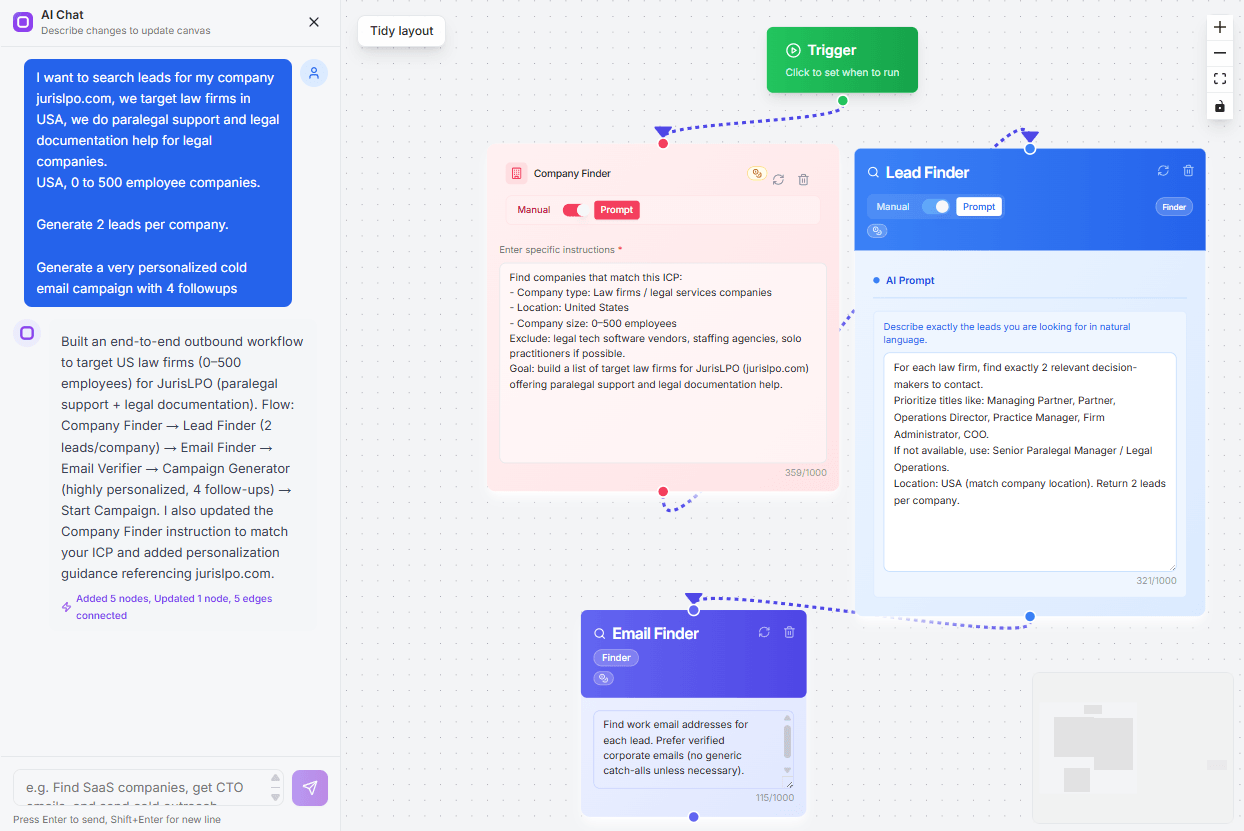
This guide cuts through the noise. We have analyzed the market to bring you the best sales prospecting tools for lead generation that actually drive revenue. Whether you need a simple email finder or a fully autonomous AI agent, this list has the solution.
Before diving into the list, it is crucial to understand the specific criteria we used to rank these platforms.
Suggested Reading:
Guide to B2B Email Lead Generation [+7 Best Tactics]To ensure this list is valuable, we didn't just pick the most popular names. We evaluated each tool against three critical criteria that matter in 2026.
A database is only as good as its last update. We prioritized tools that offer real-time verification and high coverage of direct dials and mobile numbers.
Static databases are outdated. We looked for tools that use AI not just to write emails, but to plan workflows, score leads, and handle replies autonomously.
The best tool is the one that fits your stack. We evaluated how seamlessly these platforms integrate with major CRMs like Salesforce and HubSpot to maintain a "single source of truth."
With these criteria in mind, let's explore the top 10 tools dominating the market this year.
We have categorized these tools by their primary strength, starting with the comprehensive solutions and moving to specialized plugins.
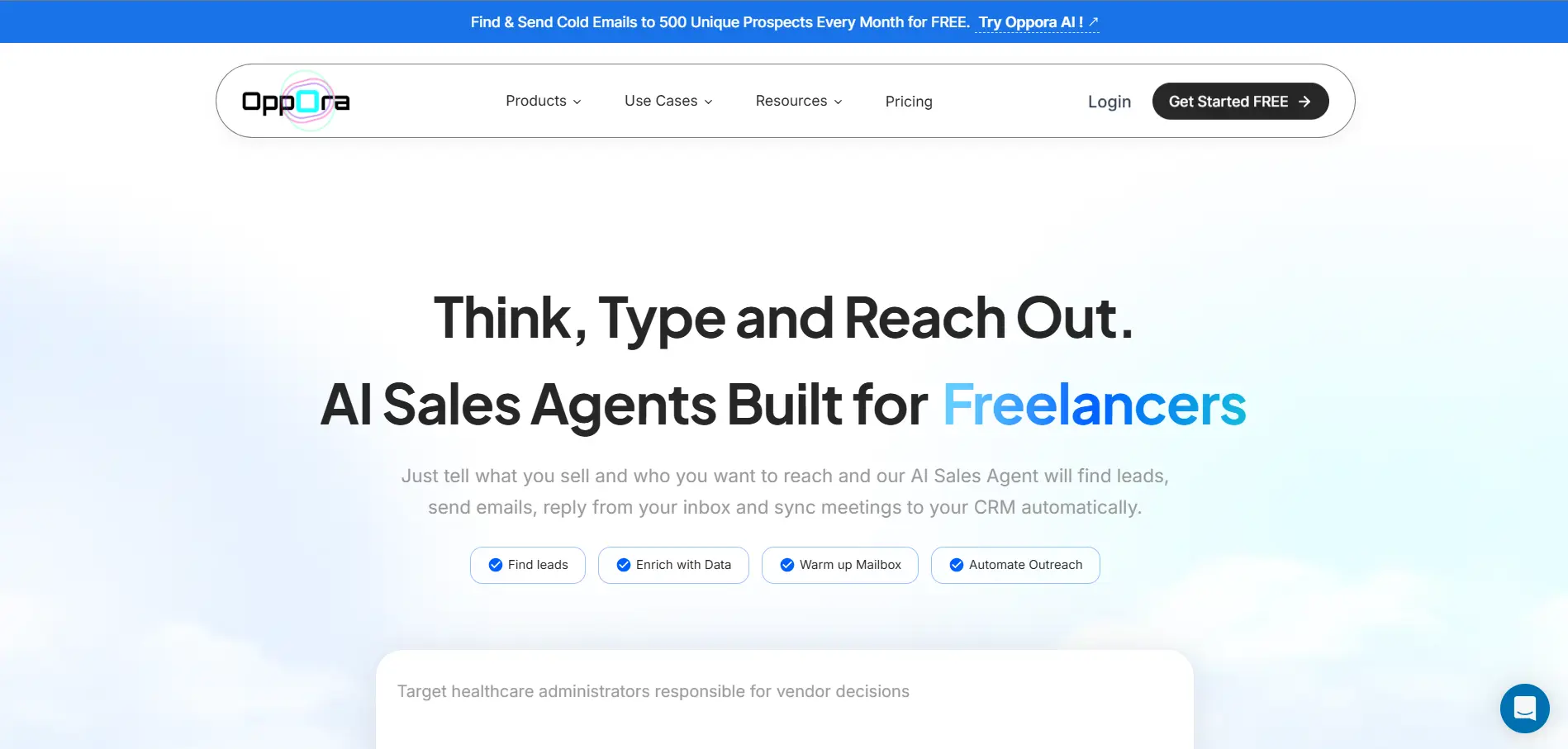
Best For: Teams who want to automate the entire funnel from finding leads to booking meetings without buying five separate tools.
Oppora.ai is an Agentic AI tool that takes care of the entire outreach workflow. It handles everything including prospecting, sending emails, replying via AI, and built-in domain warm-up, effectively replacing the manual grunt work of an SDR in one unified platform.
Key Features (Prospecting Focused):
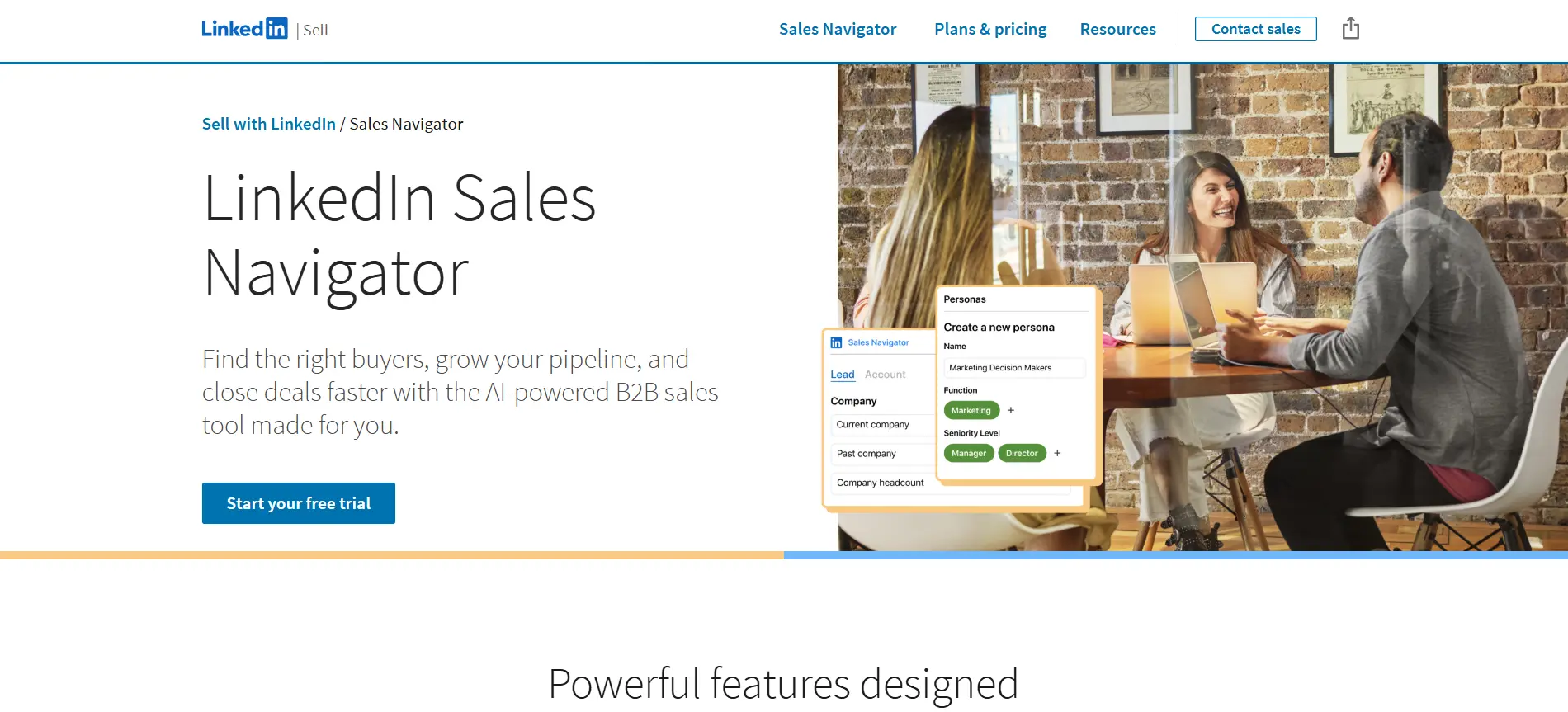
Best For: Relationship-based social selling and mapping enterprise accounts.
Sales Navigator remains the gold standard for social data. It allows you to tap into LinkedIn's 1 billion+ user base with advanced filters that other tools can't match.
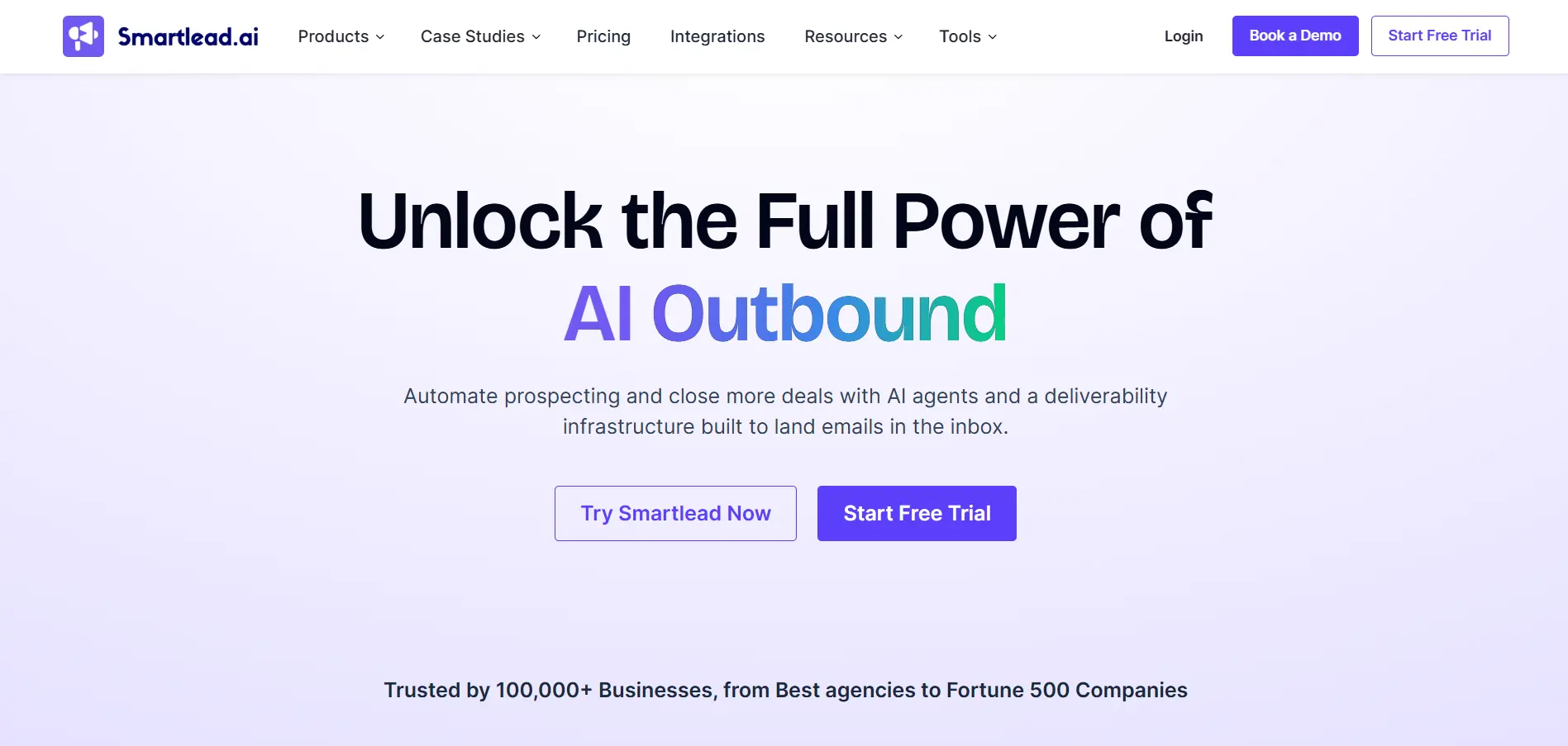
Best For: Agencies and high-volume sales teams who need free verified lead sourcing, bulletproof deliverability, and AI agents running outbound autonomously without managing multiple tools.
Smartlead is a fully AI-native outbound operating system and b2b lead finder trusted by over 100,000 businesses, from boutique agencies to Fortune 500 companies. Where Apollo gives you a database and a sequencer, Smartlead gives you the infrastructure, intelligence, and autonomous agent layer to run the entire outbound motion from one platform without manual SDR input.
Key Features:
SmartProspect: Access 300M+ triple-verified B2B contacts cross-checked across three independent data sources. Every three emails sent earns a verified lead so your pipeline scales automatically with outreach volume. Live intent signals surface prospects actively ready to buy. No per-lead or per-export fees.
SmartAssistant: An always-on AI co-pilot that creates campaigns, writes sequences, and diagnoses deliverability issues against your live account data through plain language prompts without navigating a single menu.
SmartAgents: Autonomous AI agents that research leads, write personalized emails, classify replies, and update CRM records around the clock. A single agent stack replaces the workload of multiple SDRs and keeps pipeline full 24 hours a day.
SmartDialer: Phone calls as a native step inside email sequences. Full email history surfaced on every call, with automatic transcription and post-call CRM sync running from the same dashboard used for email.
Pros:
Cons:
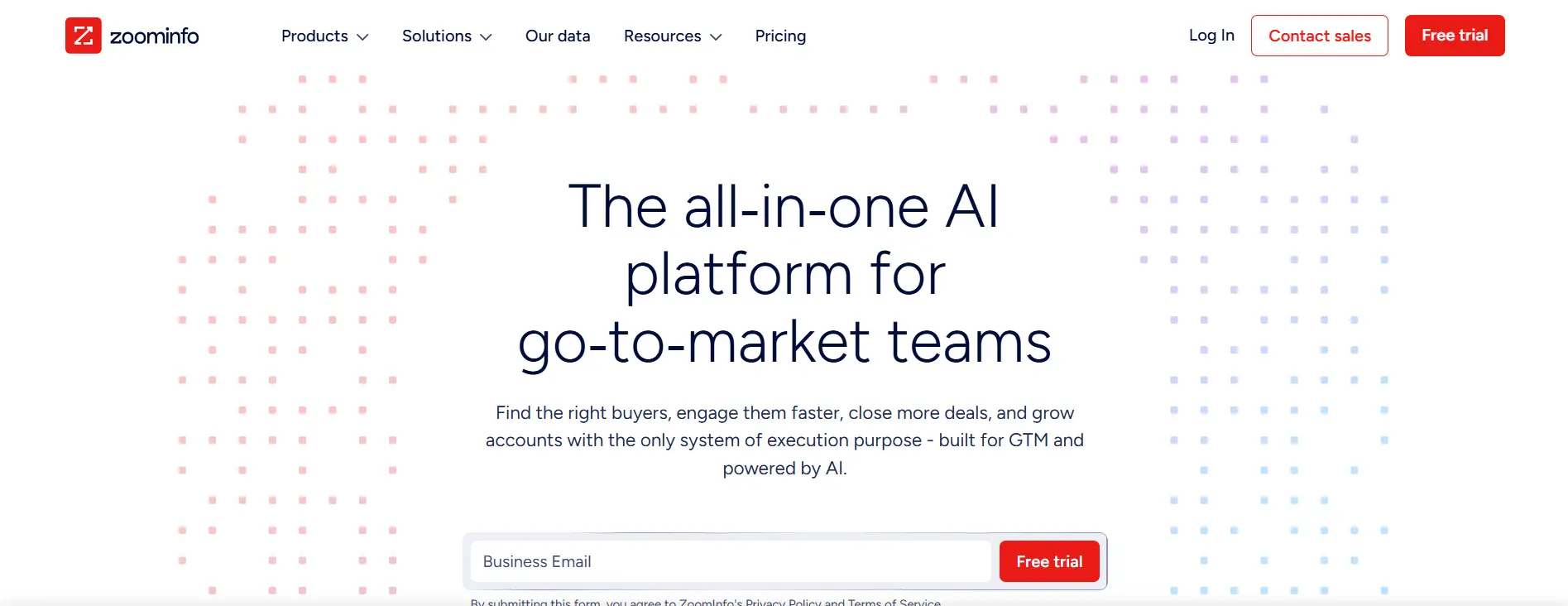
Best For: Large enterprise teams with significant budgets who need deep organizational intelligence.
ZoomInfo is the heavyweight champion of B2B data. It offers the deepest insights into organizational charts, intent data, and technographics.
Suggested Reading:
10 Best Sales Prospecting Tools for Lead Generation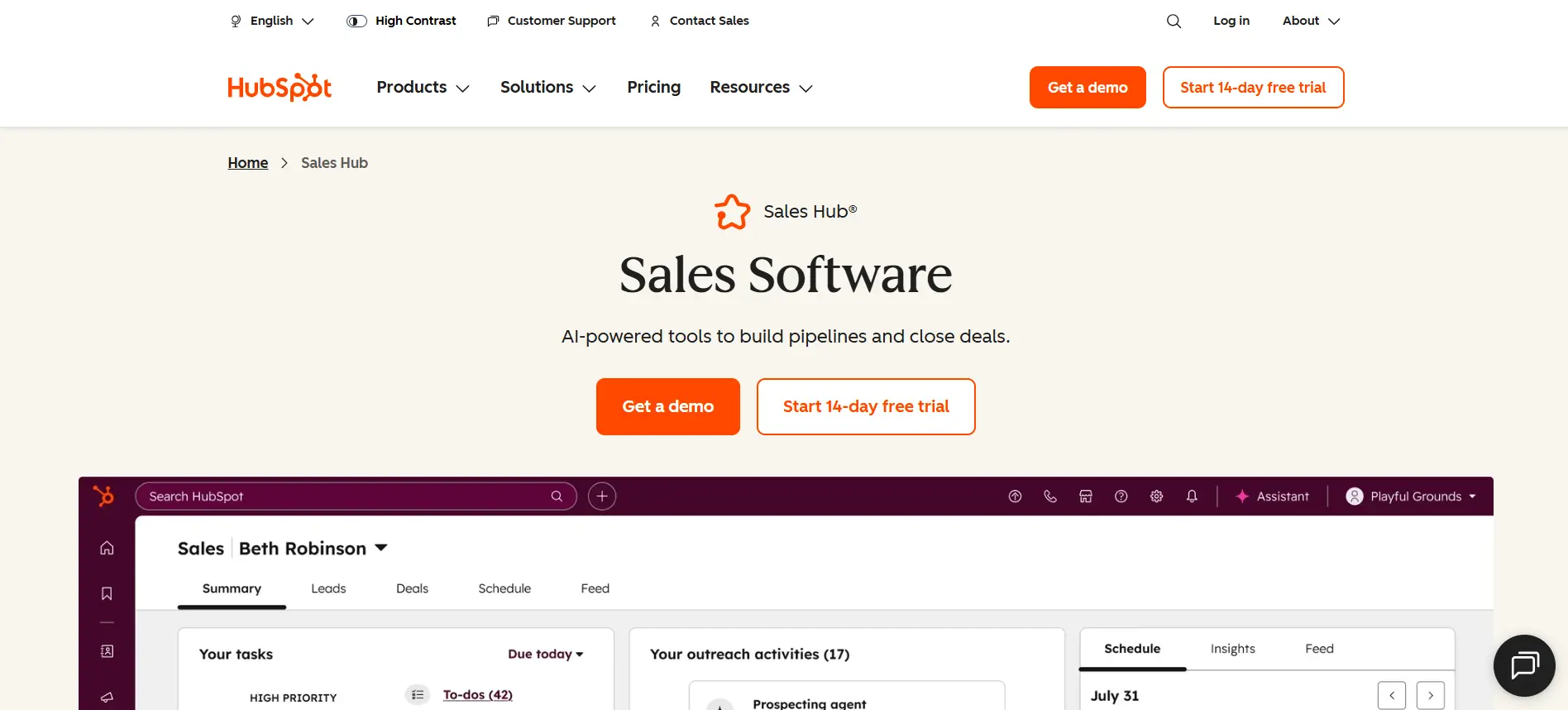
Best For: Teams already in the HubSpot ecosystem who want seamless tracking.
If your marketing team uses HubSpot, using Sales Hub for prospecting ensures perfect alignment between inbound and outbound efforts.
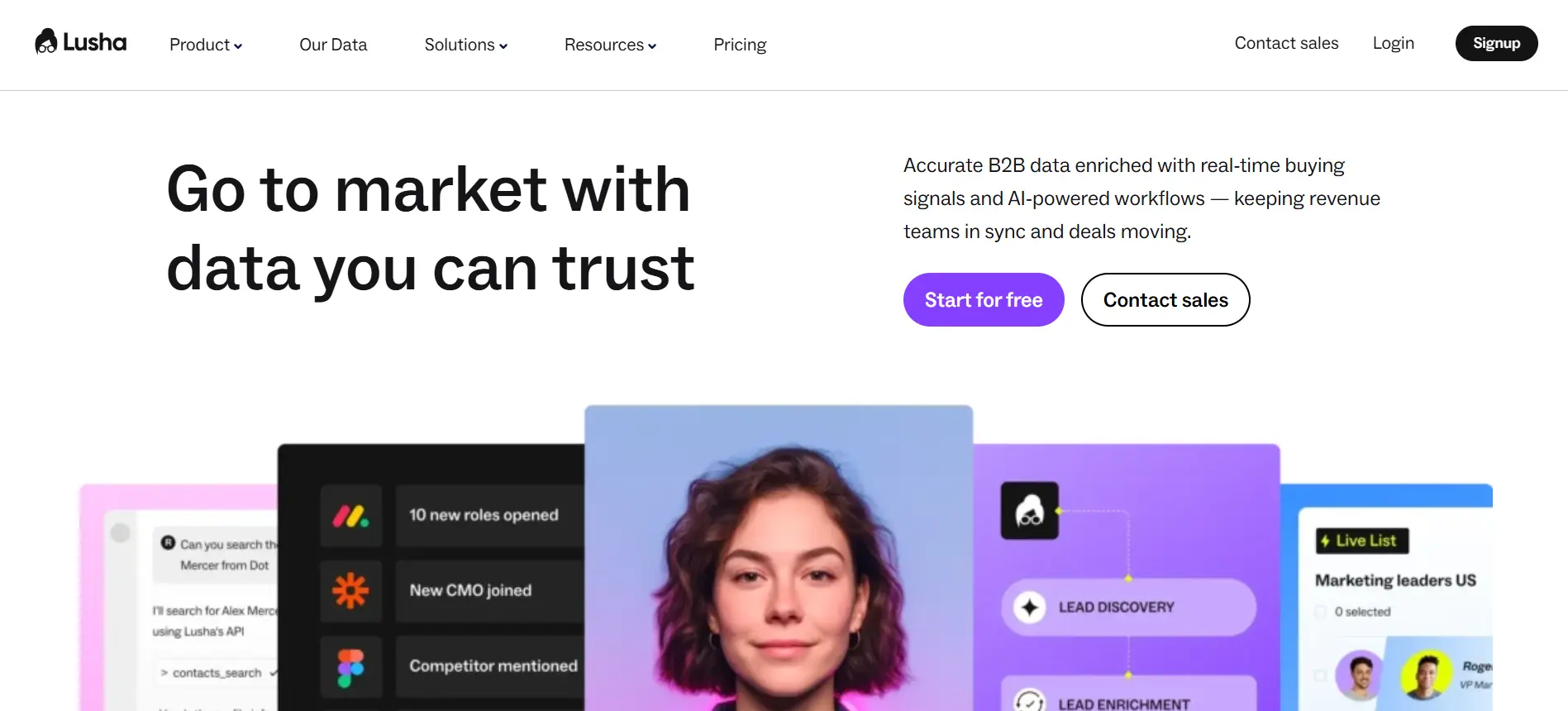
Best For: Sales reps who need a quick, accurate way to find direct dials while browsing the web.
Lusha is famous for its ease of use and high accuracy of phone numbers, particularly in the EMEA and US markets.
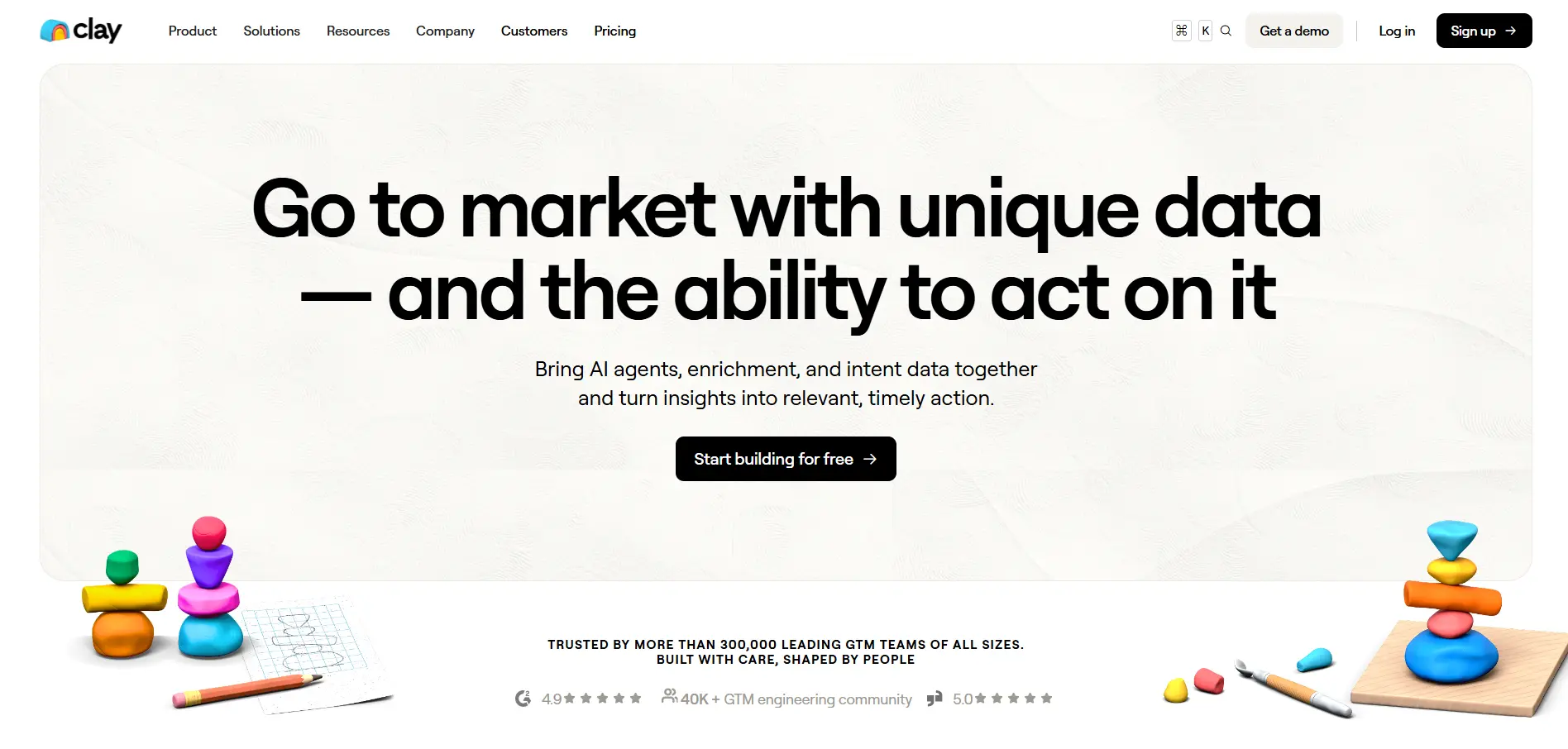
Best For: Technical growth teams who want to build creative, "waterfall" data enrichment workflows.
Clay is a newer player that aggregates 50+ data providers into one spreadsheet-like interface, allowing for extreme personalization.
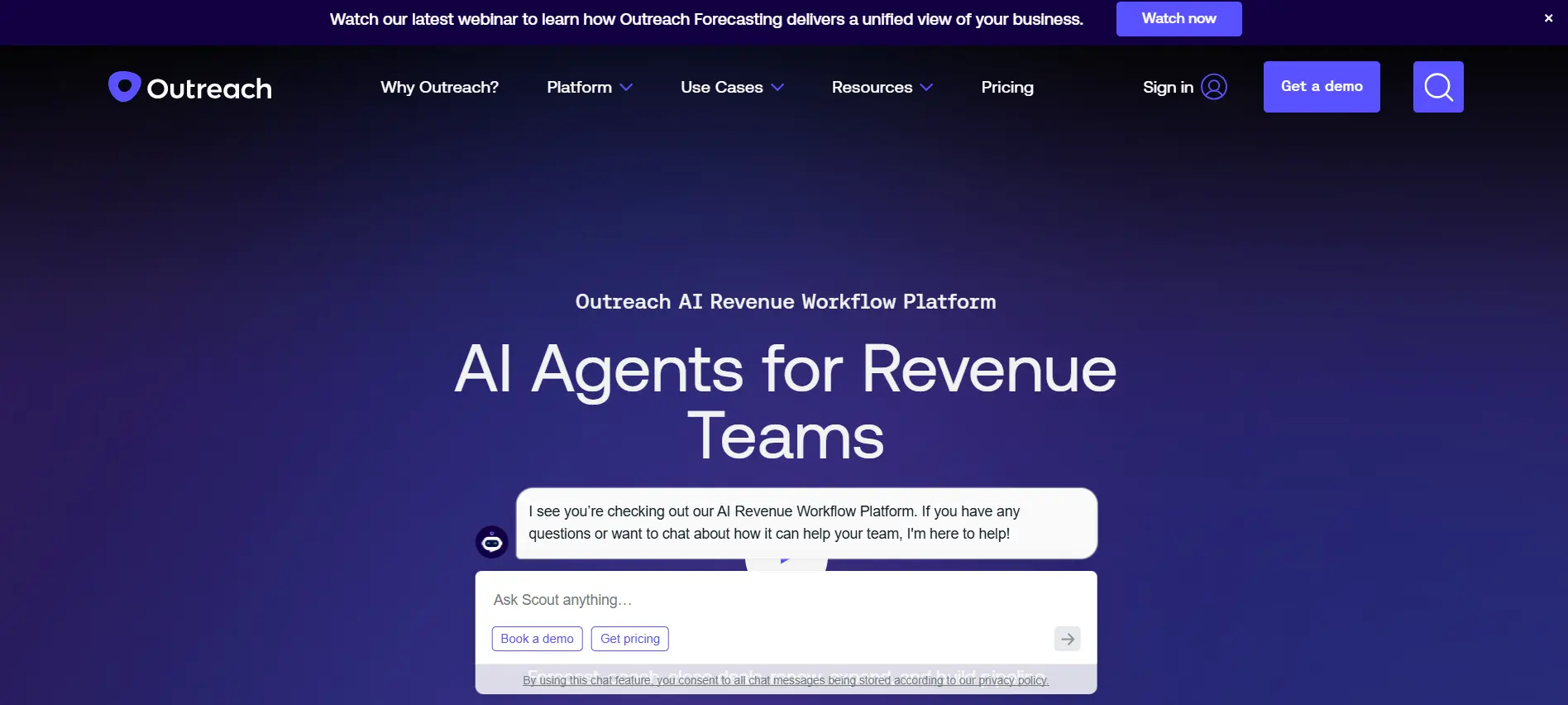
Best For: Large sales organizations that need strict governance and complex sequencing.
Outreach is a pure-play sales engagement platform focused on optimizing the workflow of large teams.
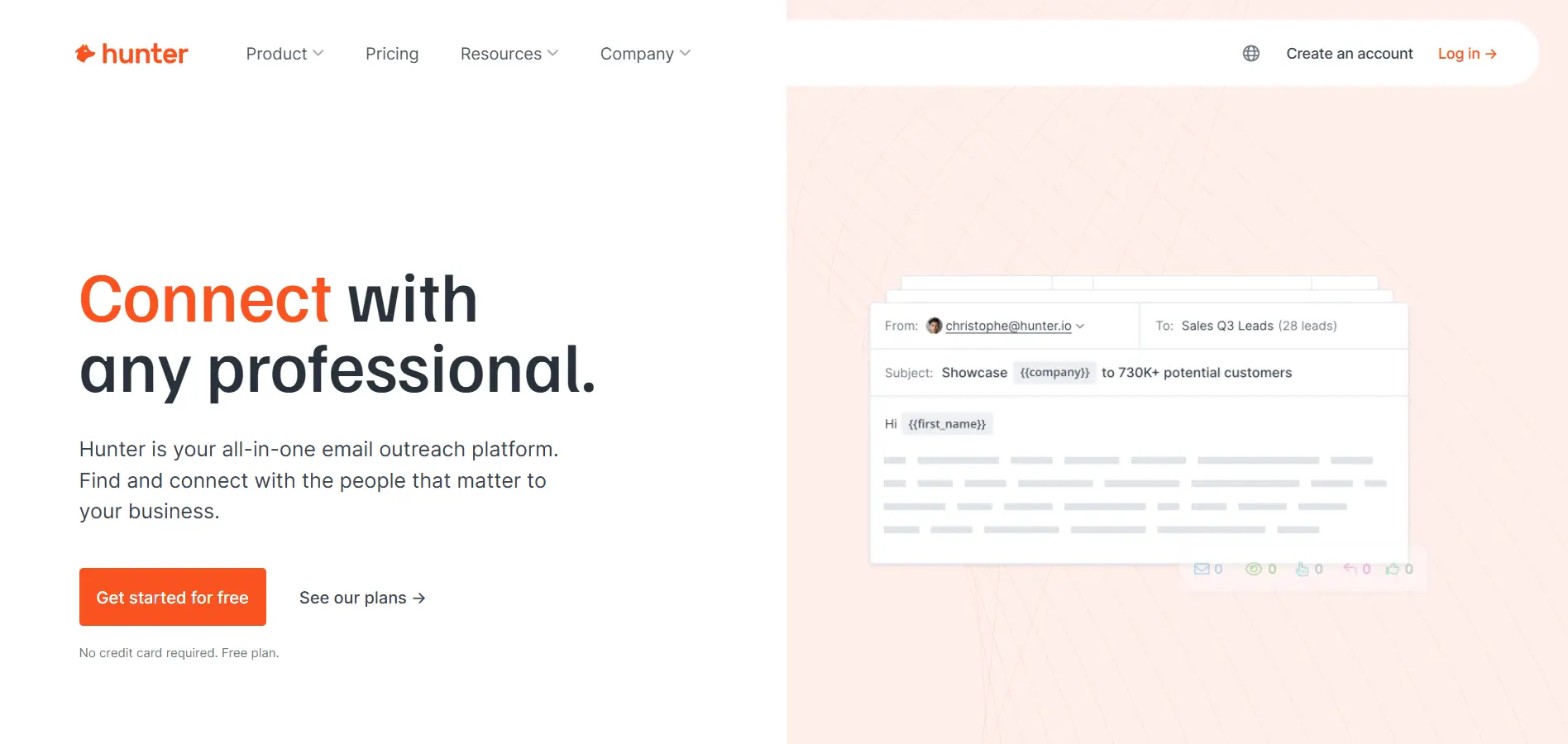
Best For: Teams focused purely on email validity and domain research.
Hunter is a specialized tool designed to do one thing very well: find and verify professional email addresses.
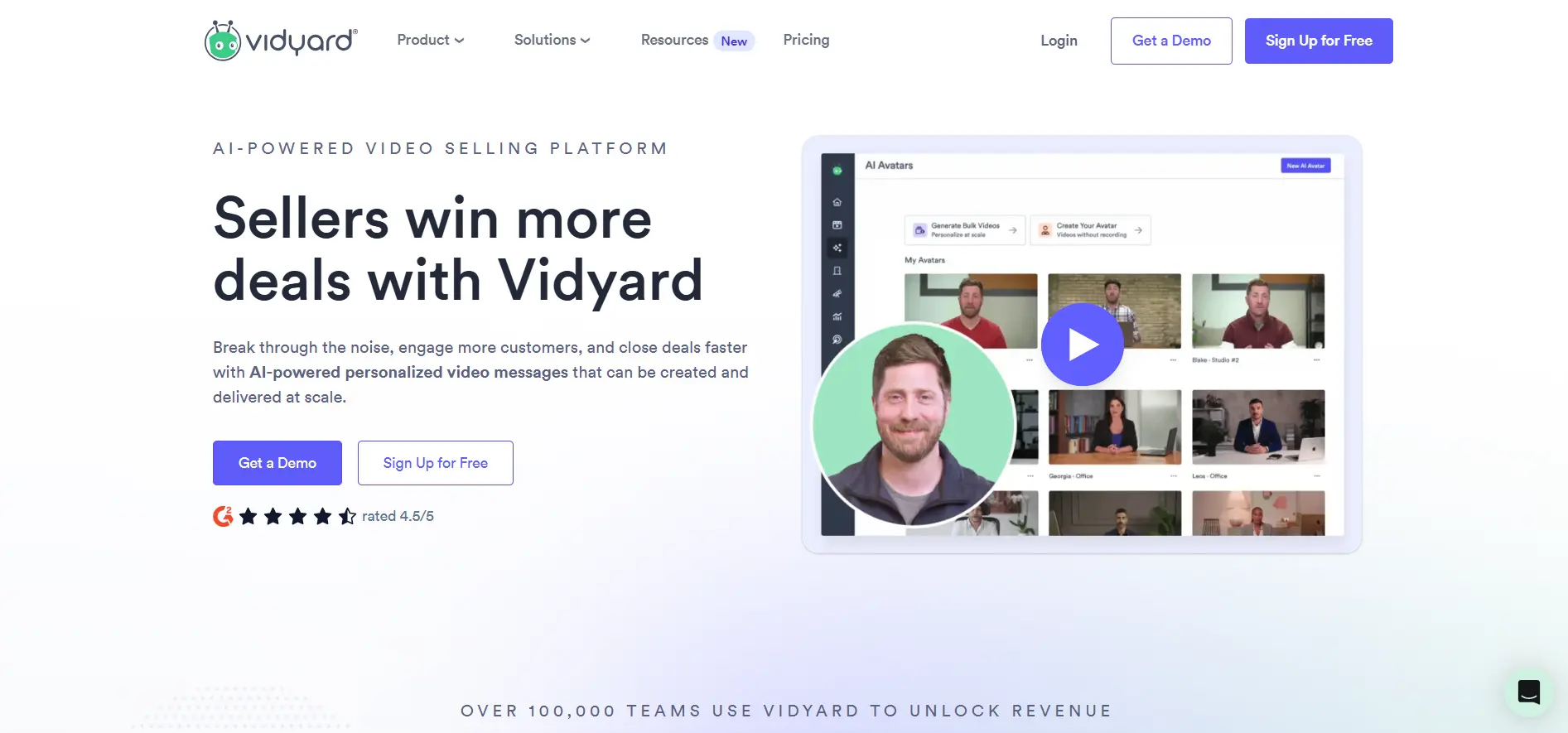
Best For: Reps who want to break through the noise with personalized video messages.
Vidyard isn't a database, but it is a critical prospecting tool for standing out in a crowded inbox.
To make your decision easier, here is a side-by-side comparison of the top contenders.
A detailed comparison to help you choose the right tool based on focus, data, and automation depth.
While the comparison table helps with selection, understanding the future of prospecting requires a deeper look at the leader in the space.
While traditional tools force you to stitch together a fragmented stack, Oppora.ai unifies the entire workflow like n8n.
By leveraging Agentic AI, it transforms prospecting from a series of disjointed tasks into a single, fluid operation that scales effortlessly.
Every campaign starts with the right data. Oppora provides instant access to a massive 700M+ verified B2B database, ensuring you never run out of leads.
Beyond just data, the platform protects your reputation with built-in domain warm-up and sender identity matching. This ensures your high-value emails land directly in the primary inbox.
Once you identify a target, capturing them should be instant. Oppora’s smart Linkedin extension lets you pull leads directly from LinkedIn in a single click.
In the backend It automatically enriches the contact data and syncs it straight into your active workflow. This eliminates manual copy-pasting and keeps your prospecting rhythm unbroken.
Once the campaign is live, most tools stop working. This is where Reply ora takes over as a fully autonomous SDR.
It reads incoming replies, detects sentiment, and engages in intelligent back-and-forth conversations. It even negotiates times and books meetings on your calendar without you touching the keyboard.
To keep track of all these automated conversations, Oppora acts as your central command center. It features a built-in Sales CRM to visualize your pipeline and track engagement.
It also offers native bi-directional sync with major platforms like Salesforce and HubSpot. This ensures your data "source of truth" remains perfectly aligned across your stack.
Despite this high level of automation, you never lose oversight. Oppora solves the "black box" fear with built-in Smart Checkpoints.
While the AI handles the heavy lifting, you retain full control to review the list before any campaign launches. You get the speed of AI with the precision and safety of a human expert.
Even with the best tools, implementation matters. Let's look at the common traps that sales teams fall into.
Even the best tool can fail if the strategy is flawed. Avoid these five common pitfalls to protect your ROI and your reputation.
Buying a tool with 200 million contacts doesn't mean you should email all of them. Blasting generic messages to thousands of leads leads to low engagement, spam complaints, and domain blacklisting. Focus on relevance, not volume.
Data decays at a rate of 22% per year. Relying on outdated contact info is a silent budget killer. Always use tools that verify emails in real-time before sending to keep your bounce rate under 2% and protect your sender score.
Automation should scale your efforts, not replace your personality. Sending robotic, template-heavy emails is the fastest way to get deleted. Use your tool to automate the process (finding leads, scheduling), but ensure the message feels personal.
Treating your prospecting tool as a silo creates a data nightmare. If your activity doesn't sync automatically to Salesforce or HubSpot, you'll waste hours manually updating records and risk contacting the same lead twice.
Most sales happen after the 5th touch, yet 44% of reps give up after one email. Many users buy expensive tools but fail to set up proper automated sequences, leaving money on the table by not being persistent.
Avoiding these mistakes is critical, but staying ahead means looking at where the technology is going next.
The era of manual prospecting is over. The best sales prospecting tools for lead generation in 2026 are those that consolidate workflows and leverage AI to remove busy work.
If you are a large enterprise needing deep org charts, ZoomInfo remains strong. For social sellers, LinkedIn Sales Navigator is essential. But if you want to automate the entire path from "Stranger" to "Meeting Booked" with a single platform, Oppora.ai is the clear leader.
Traditionally, teams built a "stack" (LinkedIn for data + Hunter for emails + Outreach for sending). However, the 2026 trend is toward all-in-one platforms like Oppora.ai that consolidate these functions to save money and reduce data silos.
Not all of them. Tools that rely on scraping private data can pose legal risks. Always look for platforms like Lusha or Oppora that emphasize compliance, data privacy, and have "Do Not Contact" filtering built-in.
Costs vary wildly. Simple plugins start at free or $40/month, while enterprise suites like ZoomInfo can cost $15,000+ annually. An all-in-one agentic solution typically offers better ROI by replacing 3-4 separate subscriptions.
Data decays rapidly (22% per year). The only way to ensure accuracy is to use tools with "real-time verification" features. Avoid buying static lists; instead, use platforms that verify email validity at the moment of export or sending.
Summarize with AI
Share