Home
Blog
Oppora’s Claude MCP is Live. Connect our Email Database & Outreach features with any tool to build smart automations inside Claude.
Home
Blog
Manasa Goli
Published June 6, 2026
13 min
Try Oppora AI
Create Self-Running Agentic Sales Workflows like N8N just by chatting with AI
Get Started for FREE
If you're sending cold emails, running outbound campaigns, managing newsletters, or cleaning large databases, email verification isn't just a nice-to-have—it's one of the most important factors affecting deliverability.
Every invalid email you send to increases:
That's why marketers, agencies, SDR teams, recruiters, and sales organizations invest heavily in email verification tools.
Among dozens of options available today, two names consistently appear at the top:
Both claim industry-leading verification accuracy.
Both claim low bounce rates.
Both serve thousands of businesses worldwide.
But if your goal is simple—
"Which tool helps me send to more valid emails and bounce less?"
—then this guide is for you.
We'll break down:
NeverBounce is an email verification platform designed to help businesses clean and validate email lists before launching campaigns.
Its primary focus is ensuring that emails are deliverable and reducing bounce rates.
For example, if you upload a list of 10,000 prospects, NeverBounce will quickly identify invalid addresses, disposable emails, and domains that can't receive messages.
After cleaning the list, you can send campaigns with greater confidence and lower risk of damaging your sender reputation.
Because of its speed and ability to process large databases efficiently, NeverBounce is widely used by agencies, marketers, recruiters, and enterprises that need regular list hygiene.
In simple terms: NeverBounce helps answer one question: "Can I safely send an email to this address?"
ZeroBounce started as an email verification tool but has evolved into a broader email deliverability platform.
While it verifies email addresses like NeverBounce, it also provides additional insights that help improve inbox placement and overall email performance.
For example, after verifying a list of 10,000 contacts, ZeroBounce can identify spam traps, abuse emails, catch-all domains, and assign quality scores to contacts.
This allows you to prioritize the safest and most valuable leads instead of simply removing invalid emails.
These extra deliverability features make ZeroBounce particularly popular among cold email teams, SaaS companies, and agencies where inbox placement directly impacts revenue.
In simple terms: ZeroBounce answers two questions: "Is this email valid?" and "Is this email worth sending to?"
Think of it this way:
If your main goal is reducing bounces, NeverBounce does the job well.
If you want additional insights that help maximize inbox placement and protect sender reputation, ZeroBounce offers a more comprehensive solution.
Suggested Reading:
How to Increase Click Rate in Email Marketing: 15 Proven StrategiesAt first glance, NeverBounce and ZeroBounce seem very similar because both verify email addresses by checking syntax, domains, MX records, and mailbox validity. However, the biggest difference lies in how they evaluate and classify email quality.
NeverBounce focuses primarily on determining whether an email address is valid and safe to send to. After scanning a list, it typically categorizes contacts as:
This straightforward approach makes it easy to clean large email lists quickly and reduce bounce rates.
Example: If you're verifying 20,000 leads before a cold email campaign, NeverBounce will tell you which addresses should be removed so you can send only to valid contacts.
ZeroBounce goes beyond basic validation by providing additional risk and deliverability insights. Instead of simply labeling an email as valid, it analyzes factors that may impact campaign performance.
These include:
Example: Two email addresses may both be technically valid. However, ZeroBounce may identify one as a high-risk contact because it's associated with a spam trap or has a lower quality score. This helps marketers make smarter sending decisions.
Both tools verify emails effectively, but they serve slightly different purposes:
This additional layer of intelligence is one of the main reasons many outbound teams consider ZeroBounce stronger for deliverability-focused campaigns.
One of the biggest challenges in email verification is handling catch-all domains. These are domains configured to accept every email address, even if the mailbox doesn't actually exist.
For example, both of these emails may appear valid:
Since the mail server accepts all incoming emails, verification tools cannot always determine whether the specific mailbox exists.
NeverBounce identifies catch-all email addresses and flags them separately from standard valid emails. This helps users understand which contacts may carry additional risk.
Example: You upload a list of 5,000 prospects and 800 are marked as catch-all emails. NeverBounce lets you separate these contacts so you can decide whether to include them in your campaign.
ZeroBounce also identifies catch-all addresses but provides additional insights that help users evaluate their quality and risk level. This can be useful for teams that rely heavily on cold outreach and want to protect sender reputation.
Example: Instead of simply telling you an email is a catch-all, ZeroBounce provides more context so you can prioritize safer contacts and reduce unnecessary deliverability risks.
Both tools can identify catch-all domains, but ZeroBounce provides more information beyond basic detection, making it easier to make informed sending decisions.
Winner: ZeroBounce
If catch-all emails are a significant part of your prospecting lists, ZeroBounce offers a slight advantage thanks to its deeper risk analysis.
Suggested Reading:
How to Politely Remind Someone to Reply to Your Email (10+ Templates)Spam traps are email addresses used by inbox providers and anti-spam organizations to identify senders with poor list hygiene. Sending emails to these addresses can negatively impact your sender reputation and reduce inbox placement rates.
This is why spam trap detection has become an important feature for businesses running cold email or large-scale email marketing campaigns.
NeverBounce helps remove invalid and risky email addresses from your lists, which indirectly reduces the chances of hitting spam traps. Its primary focus, however, is email verification rather than advanced deliverability analysis.
Example: If you're cleaning a list of 50,000 contacts before a campaign, NeverBounce can identify invalid emails and other risky addresses, helping lower the overall risk of deliverability issues.
ZeroBounce places a stronger emphasis on deliverability and actively identifies known spam traps and potentially harmful email addresses. This gives users an extra layer of protection before launching campaigns.
Example: Suppose you purchase a lead list containing 10,000 contacts. While many emails may appear valid, ZeroBounce can flag addresses that could hurt your sender reputation if contacted, allowing you to remove them before sending.
Which Is Better?
If your primary goal is simply cleaning email lists, both tools perform well. However, if you're focused on maximizing deliverability and avoiding reputation damage, ZeroBounce offers more advanced spam trap detection capabilities.
Winner: ZeroBounce
For cold email teams, agencies, and high-volume senders, the additional spam trap intelligence can help maintain healthier domains and improve long-term inbox placement.
When comparing email verification tools, accuracy is often the deciding factor. The more accurately a platform identifies invalid, risky, and undeliverable emails, the lower your bounce rate and the better your sender reputation.
Both NeverBounce and ZeroBounce use advanced verification methods, including syntax checks, domain validation, MX record verification, and SMTP checks. However, they differ in how much intelligence they provide beyond basic validation.
NeverBounce is known for delivering highly accurate verification results at scale. It performs particularly well when cleaning large databases and identifying invalid or non-existent email addresses.
Example: If you upload a list of 20,000 leads, NeverBounce can quickly remove invalid emails, helping reduce bounce rates before your campaign goes live.
Its strength lies in speed and reliable validation, making it a popular choice for businesses that regularly clean large contact databases.
ZeroBounce also delivers strong verification accuracy but goes a step further by analyzing additional risk factors such as spam traps, abuse emails, and catch-all domains.
Example: Two email addresses may both appear valid during verification. While NeverBounce may mark both as valid, ZeroBounce can provide additional insights that help identify which address is more likely to impact deliverability or engagement.
This extra layer of analysis helps sales and marketing teams make better decisions about who to include in their campaigns.
For basic email validation, both platforms perform exceptionally well and can significantly reduce bounce rates.
However, if you're looking for deeper verification insights and more advanced risk analysis, ZeroBounce holds a slight advantage. Its ability to evaluate email quality beyond simple validity makes it particularly useful for cold email campaigns where deliverability is critical.
Winner: ZeroBounce
While the difference isn't massive, ZeroBounce's additional verification intelligence gives it an edge for businesses focused on maximizing inbox placement and protecting sender reputation.
Suggested Reading:
Email Bounce Back Message: Types, Meanings & ExamplesWhen verifying thousands—or even millions—of email addresses, speed becomes just as important as accuracy. A slow verification process can delay campaigns, while a fast one helps teams clean lists and launch outreach quickly.
NeverBounce has built a strong reputation for processing large email lists quickly. Its infrastructure is designed to handle bulk verification efficiently, making it a popular choice among agencies, enterprises, and businesses managing large databases.
Example: Imagine you're preparing a cold email campaign for 100,000 prospects. NeverBounce can verify the list rapidly, allowing you to clean your data and start outreach without long delays.
This speed is one of the reasons many businesses use NeverBounce for ongoing database maintenance and large-scale list cleaning.
ZeroBounce also offers fast verification, but it performs additional checks and risk analysis during the process. Since it evaluates factors like spam traps, email quality scores, and deliverability risks, verification can take slightly longer compared to tools focused purely on validation.
Example: If you're verifying the same 100,000-contact list, ZeroBounce may spend extra time analyzing email quality and potential risks, giving you more insights before you send.
If your priority is processing large lists as quickly as possible, NeverBounce has the advantage. Its streamlined verification process makes it one of the fastest tools in the market.
If you're willing to trade a little speed for deeper insights and deliverability analysis, ZeroBounce remains a strong option.
Winner: NeverBounce
For agencies, recruiters, and businesses that regularly verify large databases, NeverBounce's speed can be a major advantage. However, for teams focused on deliverability optimization, the additional analysis provided by ZeroBounce may be worth the extra processing time.
Email verification is only part of the deliverability equation. Even if your email list is clean, factors like sender reputation, blacklist status, spam traps, and inbox placement can still impact campaign performance.
This is where NeverBounce and ZeroBounce begin to differ significantly.
NeverBounce is primarily focused on email verification and list hygiene. Its goal is to help businesses maintain clean databases and reduce bounce rates before sending campaigns.
Key deliverability-related features include:
Example: If you're importing 20,000 new leads into your CRM every month, NeverBounce can automatically verify and clean those contacts before they enter your outreach workflow.
However, once the list is cleaned, NeverBounce offers limited tools for monitoring ongoing deliverability performance.
ZeroBounce takes a broader approach by combining email verification with deliverability monitoring and sender reputation management.
Beyond verification, it offers:
Example:Let's say your open rates suddenly drop from 50% to 20%. ZeroBounce can help identify whether your domain has been blacklisted, your sender reputation has declined, or inbox placement issues are affecting campaign performance.
This makes it useful not only before sending emails but also after campaigns are live.
If your goal is simply to clean email lists and reduce bounce rates, NeverBounce provides everything you need.
However, if you want a platform that helps you monitor and improve overall email deliverability, ZeroBounce offers a much more comprehensive feature set.
Winner: ZeroBounce
For cold email teams, agencies, and B2B companies where inbox placement directly affects pipeline and revenue, ZeroBounce's additional deliverability tools provide significant value beyond basic email verification.
Pricing is often one of the biggest deciding factors when choosing an email verification tool. While both NeverBounce and ZeroBounce use a pay-as-you-go and volume-based pricing model, the overall value depends on whether you need simple email verification or advanced deliverability features.
NeverBounce is generally considered a cost-effective option for businesses that primarily need email verification and list cleaning.
You pay based on the number of emails verified, with lower per-email costs as volume increases.
Example:If you need to verify 100,000 email addresses every month, NeverBounce can be an affordable choice because you're mainly paying for verification without additional deliverability tools.
This makes it particularly attractive for:
ZeroBounce is typically priced slightly higher than NeverBounce because it includes additional deliverability-focused features.
Beyond email verification, you're also getting:
Example: A SaaS company running outbound campaigns may be willing to pay more for ZeroBounce because improving inbox placement by even a few percentage points can generate more meetings and revenue.
Suggested Reading:
15 Another Ways of Saying “I Look Forward to Hearing From You” in EmailsThe real question isn't which tool is cheaper—it's which tool provides more value for your use case.
If your primary goal is to clean email lists and reduce bounce rates at the lowest cost, NeverBounce offers better value for money.
If you're running high-volume outbound campaigns and want additional tools to improve deliverability and protect sender reputation, ZeroBounce justifies its higher price with more advanced features.
Winner:
For most cold email teams, the decision comes down to whether you need verification only or verification plus deliverability intelligence.
Both NeverBounce and ZeroBounce integrate with popular CRMs and email marketing platforms, allowing businesses to automate email verification workflows.
Popular integrations include:
These integrations help teams verify email addresses before launching campaigns.
ZeroBounce offers similar integrations and can be connected to:
This allows marketers to combine email verification with deliverability monitoring and email marketing workflows.
While both platforms integrate well with other software, they solve only one part of the outbound process: email verification.
To actually run campaigns, most teams still need additional tools for:
A typical outbound stack often looks like:
Apollo + ZeroBounce + Instantly + HubSpot
or
Apollo + NeverBounce + Smartlead + Salesforce
As outreach scales, managing multiple tools can increase costs, complexity, and operational overhead.
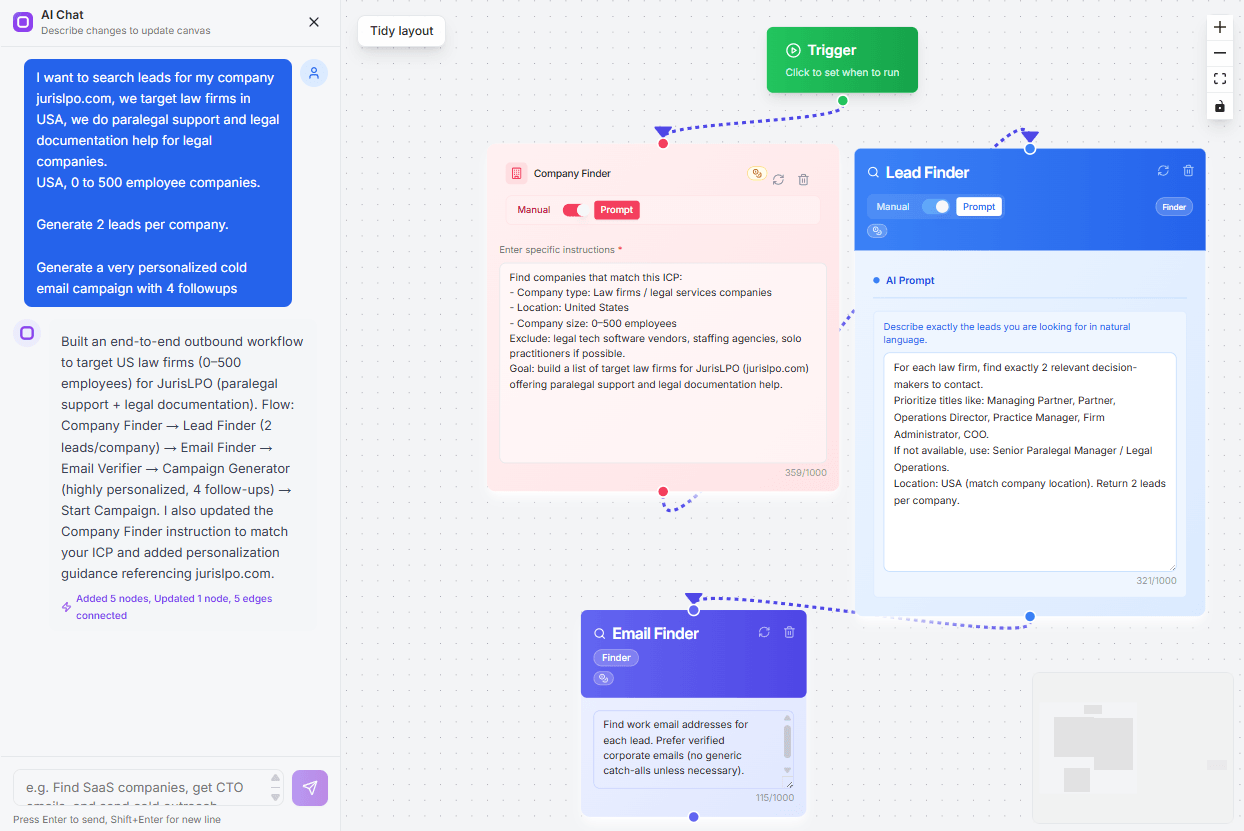
If you're looking for more than email verification, Oppora combines the essential parts of the outbound workflow into a single platform.
Instead of managing multiple tools, teams can:
So rather than managing:
Apollo → ZeroBounce → Instantly → HubSpot
Teams can run:
Oppora → Find Leads → Verify → Send → Reply → Book Meetings → CRM
from a single workspace.
For businesses focused on scaling outbound efficiently, this can reduce tool costs, simplify operations, and eliminate the need to move data between multiple platforms.
Both NeverBounce and ZeroBounce are among the most trusted email verification tools on the market, and either option can help reduce bounce rates and improve email list quality.
If your primary goal is fast, affordable, and reliable email verification, NeverBounce is an excellent choice.
Its speed, simplicity, and bulk-processing capabilities make it ideal for agencies, recruiters, and businesses that regularly clean large databases.
However, if you're focused on maximizing deliverability, protecting sender reputation, and gaining deeper insights into email quality, ZeroBounce comes out ahead.
Features like spam trap detection, email scoring, blacklist monitoring, and advanced catch-all analysis provide an extra layer of protection for outbound campaigns.
That said, choosing between NeverBounce and ZeroBounce only solves the email verification piece of the outbound process.
Most teams still need separate tools for lead generation, outreach, inbox management, AI personalization, reply handling, and CRM synchronization.
If you're looking to streamline your entire outbound workflow, an all-in-one platform like Oppora can eliminate the need to manage multiple tools by combining lead sourcing, email verification, outreach automation, AI-powered replies, meeting booking, and CRM sync in a single workspace.
This allows teams to spend less time managing software and more time generating pipeline.
Bottom line: Choose NeverBounce if you want affordable, high-speed verification.
Choose ZeroBounce if you want the strongest verification and deliverability insights.
And if you're evaluating your entire outbound stack, consider whether managing multiple point solutions is still the most efficient approach or not.
Yes. NeverBounce can identify catch-all domains and flag them separately. However, it provides less detailed risk analysis compared to ZeroBounce.
In most cases, NeverBounce is slightly more affordable, especially for businesses focused solely on email verification. ZeroBounce typically costs more because it includes additional deliverability and monitoring features.
If you're only looking for email verification, both tools are excellent choices. However, if you're looking to manage the entire outbound process—from lead generation and verification to outreach, AI replies, and CRM sync—an all-in-one platform like Oppora may be a better fit.
Summarize with AI
Share