Home
Blog
Oppora’s Claude MCP is Live. Connect our Email Database & Outreach features with any tool to build smart automations inside Claude.
Home
Blog
Adam Hossain
Published July 20, 2026
14 min

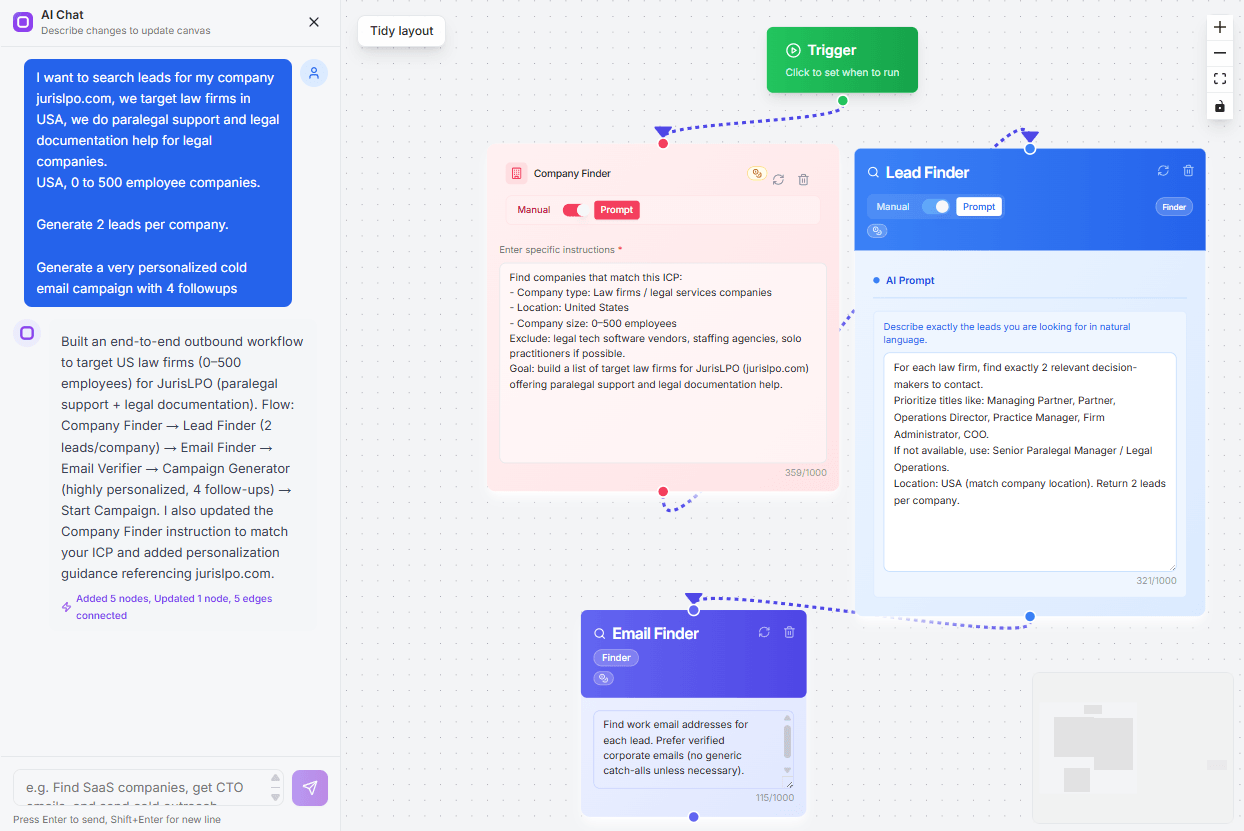
Try Oppora AI
Create Self-Running Agentic Sales Workflows like N8N just by chatting with AI
Get Started for FREE
Most LinkedIn profiles will show you a job title, a company, and a mutual connection, but almost never a phone number.
That gap is the whole problem. Finding the right prospect is easy, actually reaching them is not.
LinkedIn phone number extractors close that gap by matching profiles against external B2B databases and returning verified direct dials or mobile numbers.
This guide compares the 10 best options available in 2026.
Here's what you'll find inside:
If you want automated prospecting to outreach in one system, Oppora AI leads. For quick LinkedIn reveals, Kaspr and Lusha work well.
Now that you know what this guide covers, it helps to understand what these tools actually do behind the scenes.
A LinkedIn phone number extractor is a tool that connects a LinkedIn profile to contact data that the profile itself never displays.
This is where most people get confused. The tool is not pulling a hidden number out of LinkedIn.
LinkedIn simply does not store or expose personal phone numbers on public profiles in the first place.
What the tool actually does is take the identifying details on that profile and match them against external B2B databases.
Name, job title, company, and location act as matching signals. The tool then searches its own database or third-party sources for phone numbers linked to that same person.
Here is how that process usually works:
The number you get back matters too. A direct dial reaches the person, while office and switchboard numbers route you through a receptionist.
Suggested Reading:
9 LinkedIn Phone Number Extensions That Reveal Verified ContactsUnderstanding how these tools work is one thing, but knowing which ones actually deliver usable numbers is another.
Every vendor on this list claims high accuracy and deep coverage. Those claims rarely hold up equally across regions or roles.
So we assessed each tool against the factors that genuinely affect whether you can pick up the phone and reach someone.
Here is what we looked at:
Note: Contact coverage varies significantly by location, industry, seniority, and how much of a digital footprint the prospect has left behind.
A tool that performs well for North American mid-market SaaS may struggle with European manufacturing contacts.
Vendor accuracy claims should not be treated as directly comparable unless you have tested them independently on your own list.
Suggested Reading:
10 Best B2B Database Tools for High-Volume Lead GenerationWith those criteria in mind, here is a quick side-by-side view of how the ten tools compare.
Use this table to shortlist two or three options, then read the detailed reviews below.
Pricing reflects entry-level paid tiers and changes frequently, so verify current rates before committing.
The table gives you the shape of the market, but the differences between these tools only become clear once you look closer.
Some are built as lightweight browser extensions for individual reps. Others function as full outbound systems or enterprise data platforms.
Below, each tool is broken down by what it does well, how it handles phone data, what it integrates with, and where it falls short.
Start with the ones that matched your shortlist.
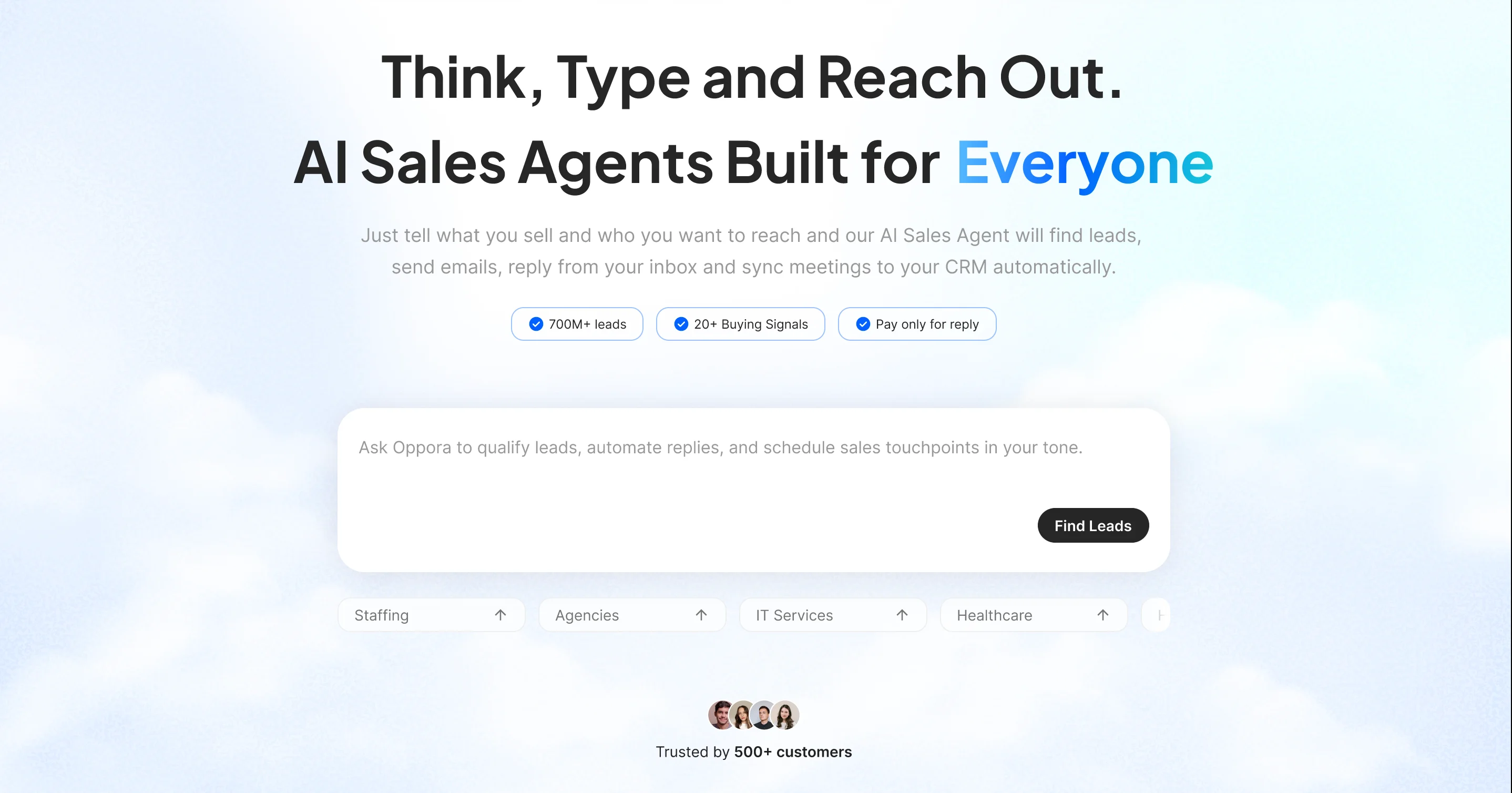
Oppora AI is an AI-powered prospecting and sales automation platform that combines contact discovery, waterfall enrichment, verified phone and email data, and multichannel outreach in one connected system.
Key Features:
LinkedIn and phone-data workflow:
Integrations and export: Native CRM sync with HubSpot and Pipedrive, CSV export, and built-in outreach so enriched contacts move straight into live sequences.
Pricing: Free plan available, with Pro at $34/month, Max at $79/month, and Enterprise starting at $499/month for larger teams.
Main limitation:
If your workflow ends at exporting a CSV, Oppora is more platform than you need. If it ends at a booked meeting, that breadth is the point.
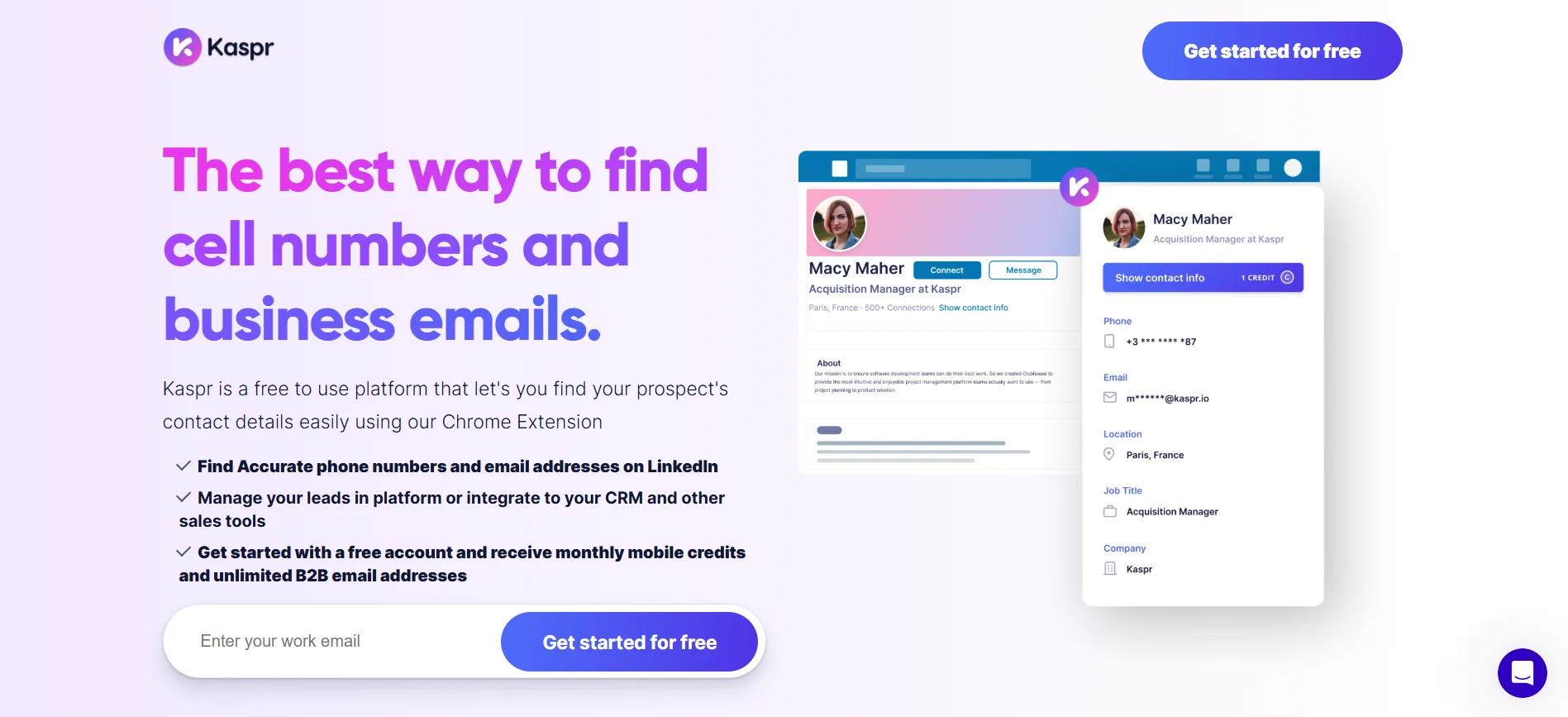
Kaspr is a LinkedIn-focused contact finder built around a Chrome extension that reveals verified phone numbers and emails directly from profiles. It also supports bulk enrichment across Sales Navigator search results and saved lead lists.
Key Features:
LinkedIn and phone-data workflow:
Integrations and export: Connects with HubSpot, Pipedrive, Salesforce, and Lemlist, with CSV export and API access on higher plans.
Pricing: Free plan includes limited credits, with paid tiers starting around $49/month per user and phone credits capped separately.
Main limitation:
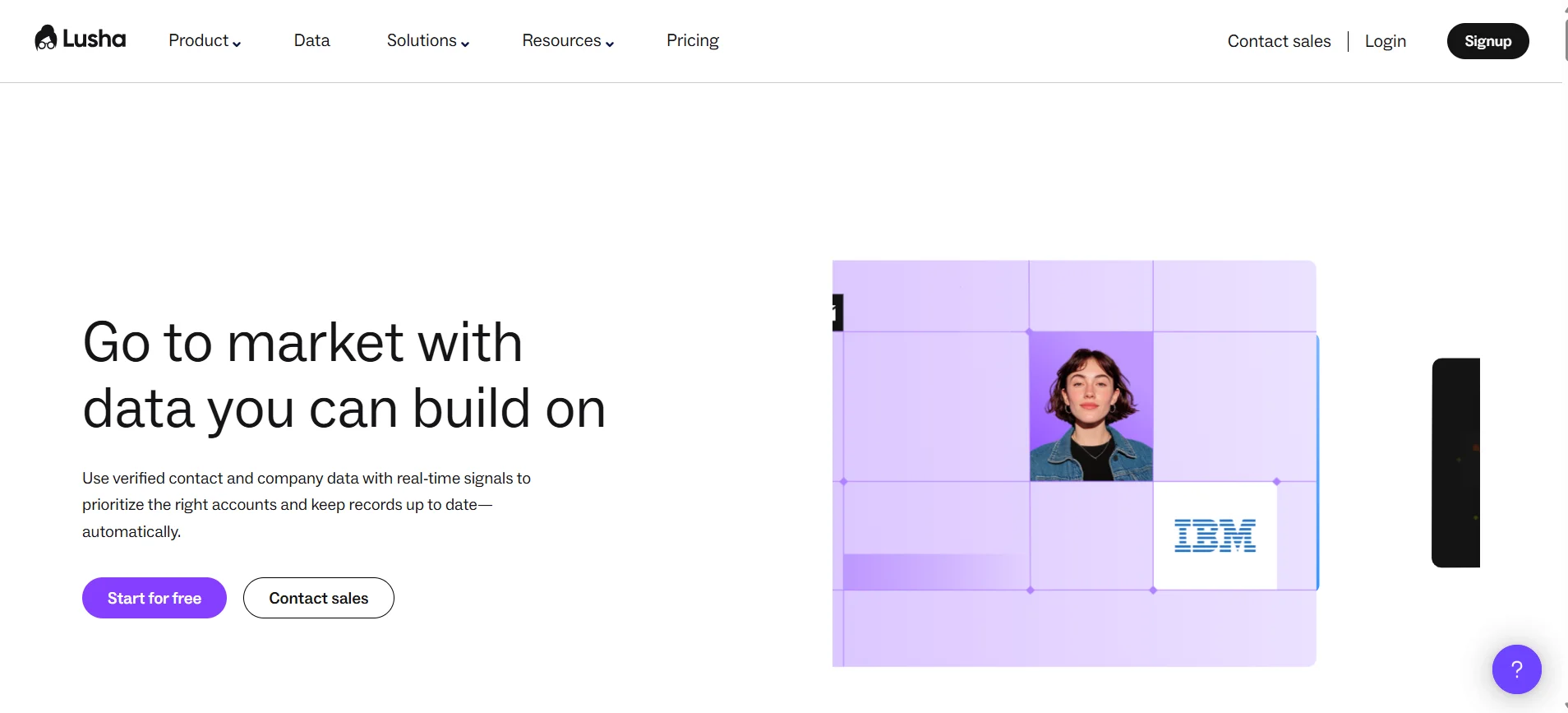
Lusha is a B2B contact data platform known for fast, accurate reveals on individual prospects.
It works through a browser extension, a searchable database, and bulk enrichment for existing lists.
Key Features:
LinkedIn and phone-data workflow:
Integrations and export: Native sync with Salesforce, HubSpot, Pipedrive, and Outreach, plus CSV export and API access on paid plans.
Pricing: Free plan with limited monthly credits, paid tiers from roughly $36/month per user, with phone credits allocated separately.
Main limitation:
Suggested Reading:
11 Lusha Alternatives for 2026: Better Data, Pricing & Accuracy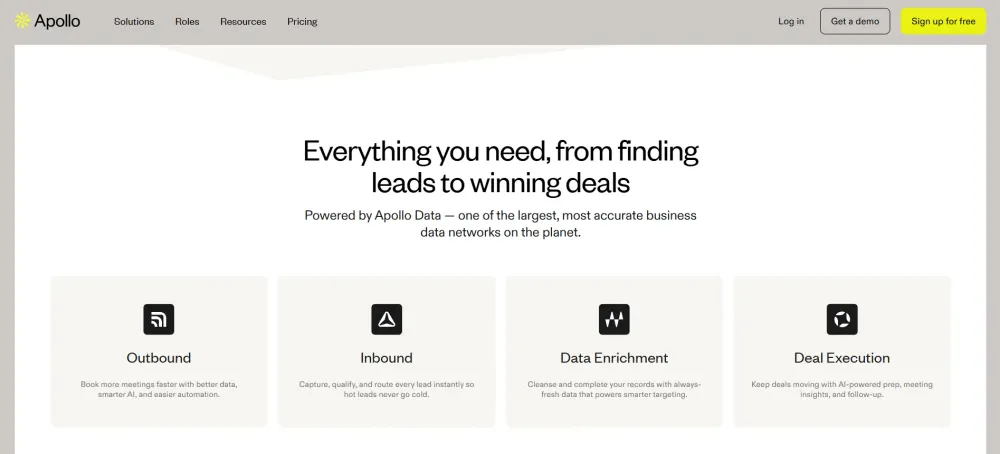
Apollo.io is a combined sales intelligence and engagement platform built around a large B2B contact database. It pairs contact discovery with built-in sequencing, so prospecting and outreach happen in the same tool.
Key Features:
LinkedIn and phone-data workflow:
Integrations and export: Two-way sync with Salesforce and HubSpot, plus Outreach, Salesloft, Gmail, CSV export, and API access.
Pricing: Free plan with limited credits, paid tiers from around $49/month per user, with mobile credits restricted on lower plans.
Main limitation:
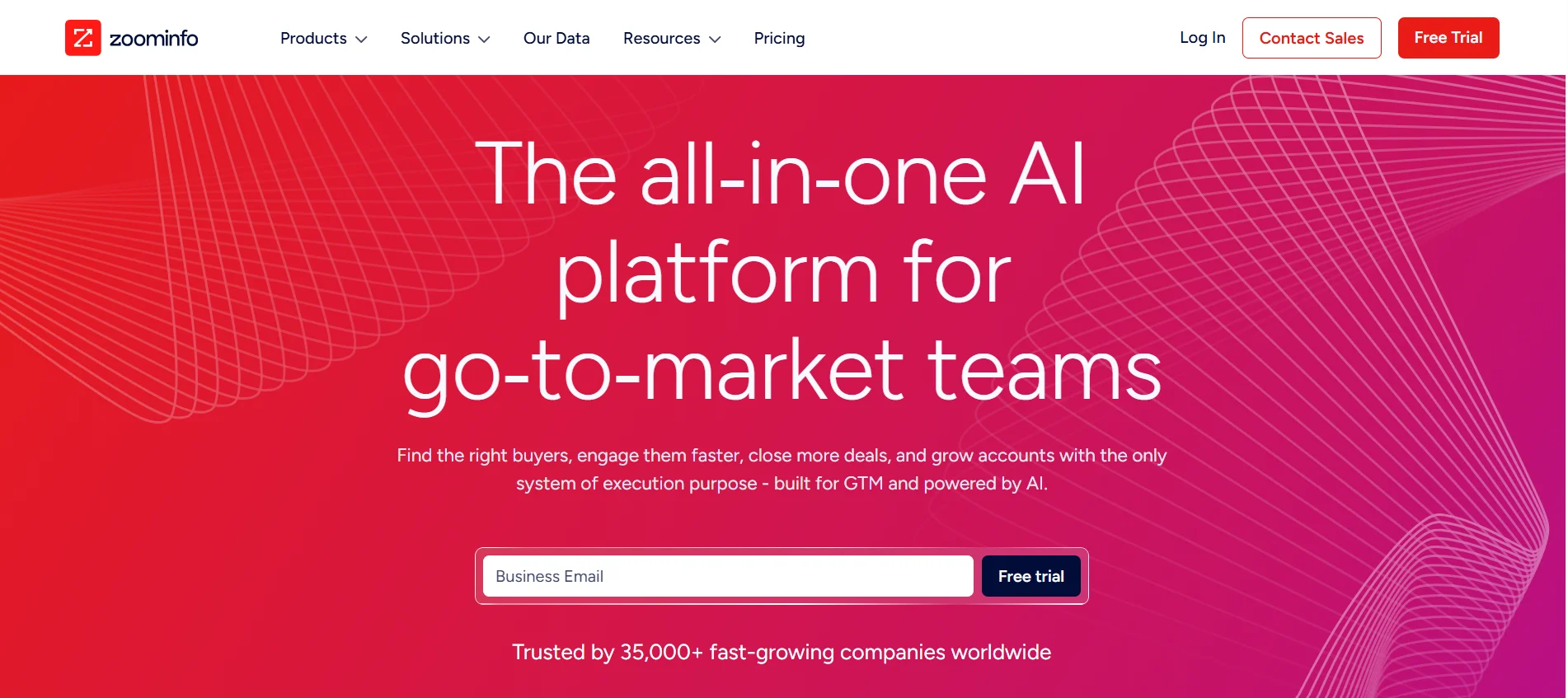
ZoomInfo is an enterprise sales intelligence platform built for large teams that need deep account and contact coverage.
It combines contact data with intent signals, org charts, and workflow automation across the full go-to-market stack.
Key Features:
LinkedIn and phone-data workflow:
Integrations and export: Deep native integrations with Salesforce, HubSpot, Marketo, Outreach, and Salesloft, plus API access and bulk CSV export.
Pricing: Custom pricing only, typically annual contracts that start well above most mid-market tool budgets.
Main limitation:
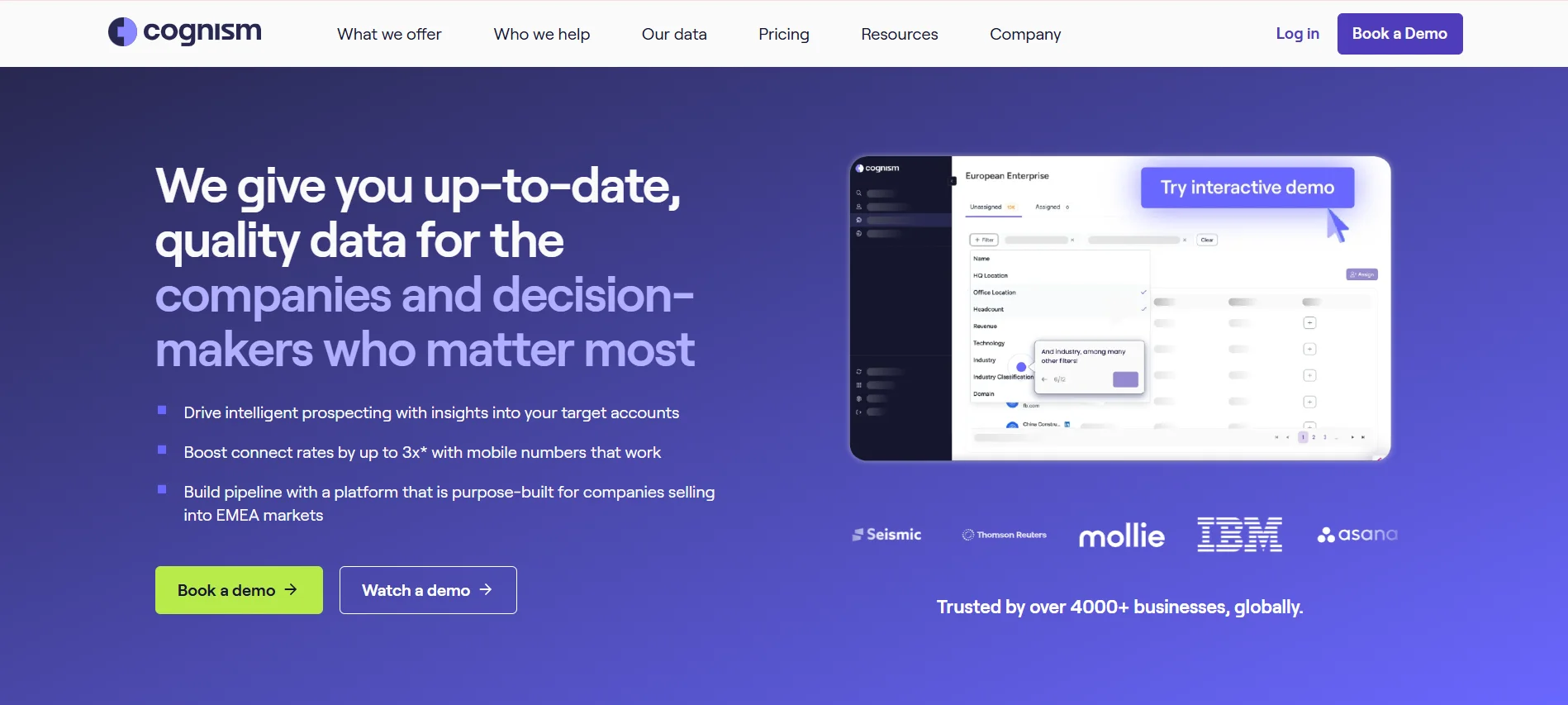
Cognism is a B2B data platform positioned around phone-verified mobile numbers and strong compliance coverage.
It appeals most to teams running cold calling motions across Europe and North America.
Key Features:
LinkedIn and phone-data workflow:
Integrations and export: Native sync with Salesforce, HubSpot, Outreach, Salesloft, and Pipedrive, plus CSV export and API access.
Pricing: Custom pricing with annual contracts, typically positioned above mid-market tools and quoted per seat.
Main limitation:
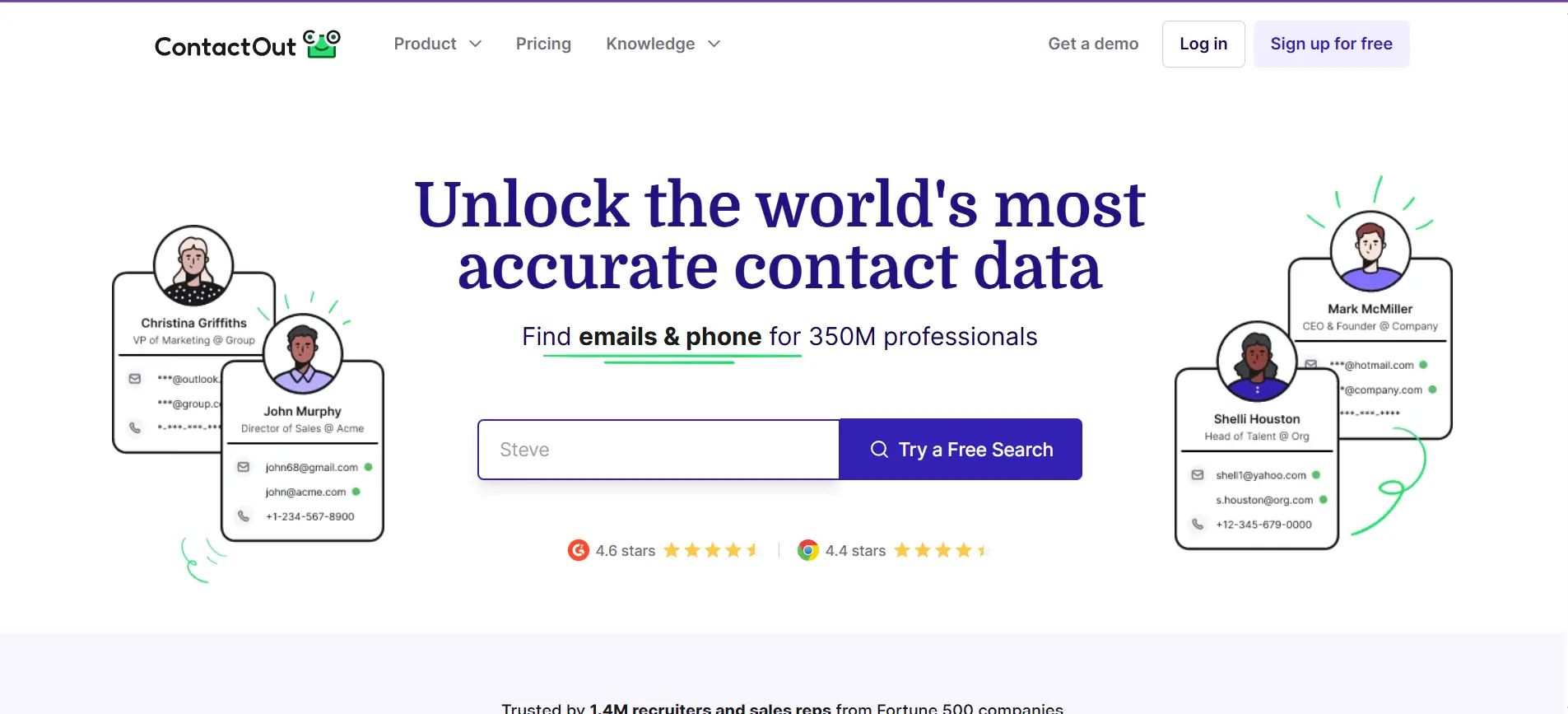
ContactOut is a contact discovery tool built primarily for recruiters sourcing candidates from LinkedIn.
Its main differentiator is personal contact data, including private email addresses that most B2B tools do not surface.
Key Features:
LinkedIn and phone-data workflow:
Integrations and export: Connects with Greenhouse, Lever, Bullhorn, Salesforce, and HubSpot, with CSV export and API access on higher plans.
Pricing: Free plan with limited monthly credits, paid tiers from around $39/month per user with separate phone allocations.
Main limitation:
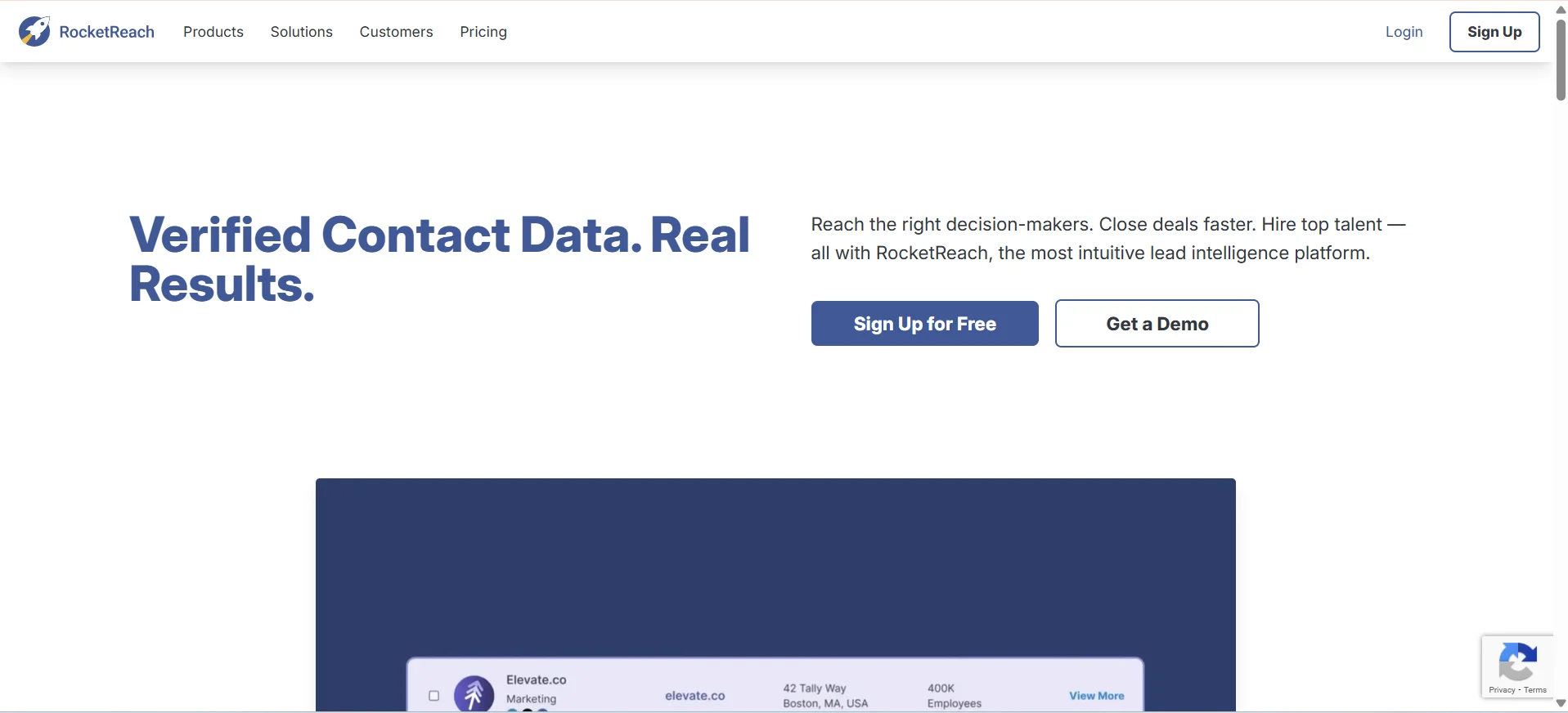
RocketReach is a broad contact lookup tool covering professionals across a wide range of industries and regions.
It works well when you need to reach across varied roles rather than depth inside a specific market.
Key Features:
LinkedIn and phone-data workflow:
Integrations and export: Connects with Salesforce, HubSpot, Outreach, Zapier, and Google Sheets, with CSV export and API access on paid plans.
Pricing: Free plan with limited monthly lookups, paid tiers from around $39/month with phone credits capped separately.
Main limitation:
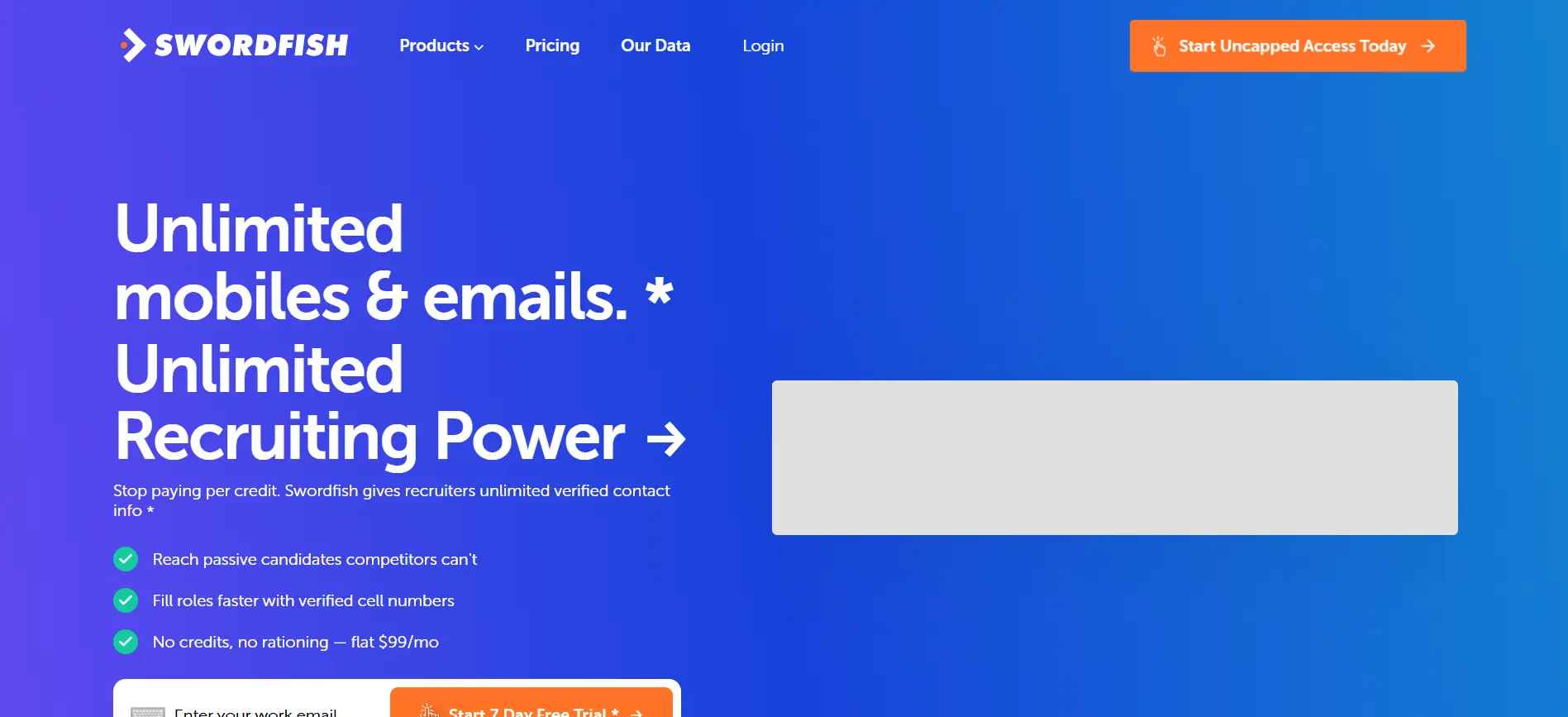
Swordfish AI is a contact discovery tool built specifically around finding cell phone numbers rather than business emails.
It pulls from multiple platforms beyond LinkedIn, which makes it useful for recruiters and sales teams chasing hard-to-reach prospects.
Key Features:
LinkedIn and phone-data workflow:
Integrations and export: Connects with Salesforce, HubSpot, Bullhorn, and Zapier, with CSV export and API access on higher plans.
Pricing: No free plan, with paid tiers starting around $99/month and credits allocated per seat.
Main limitation:
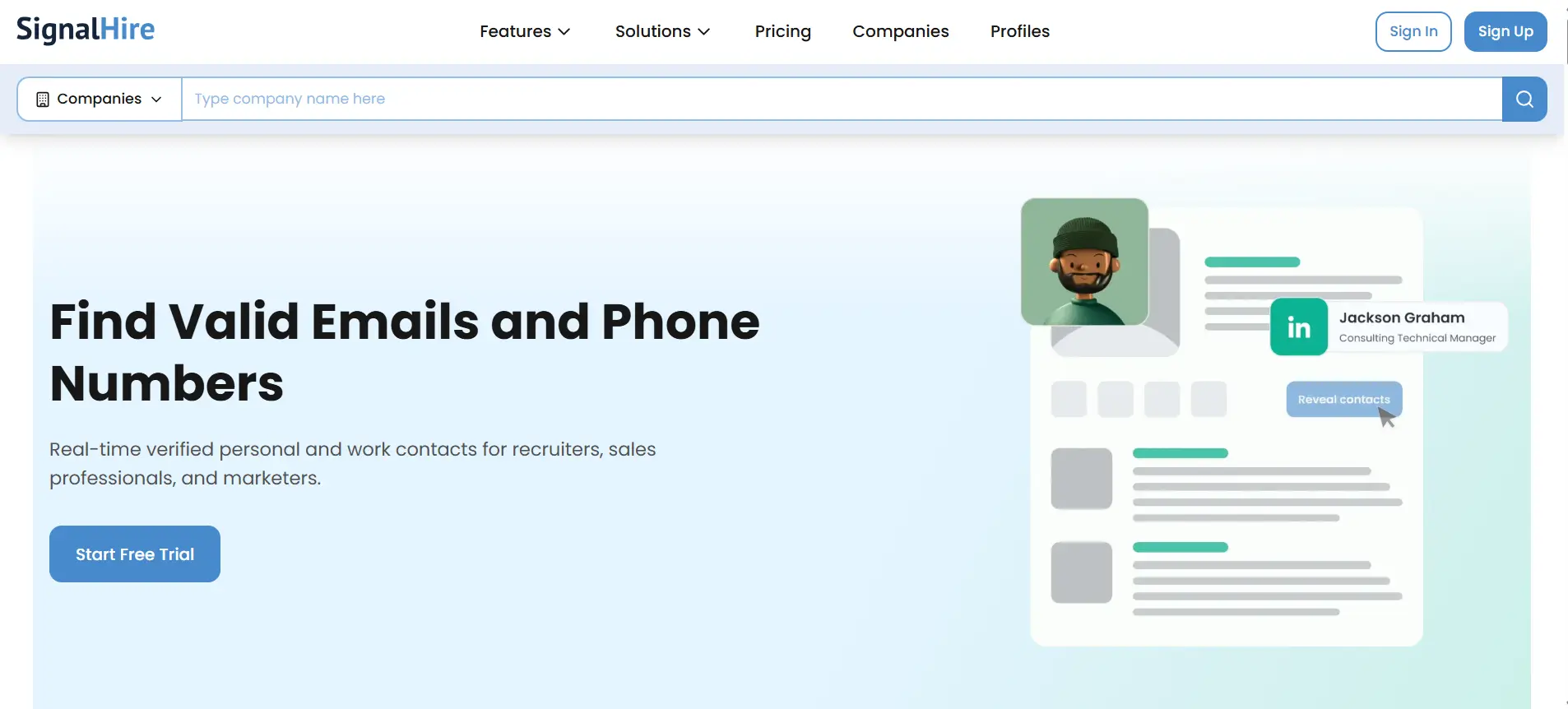
SignalHire is an affordable contact finder that surfaces phone numbers, emails, and social profiles from a single lookup.
It suits smaller teams and individual recruiters who need reasonable coverage without an enterprise commitment.
Key Features:
LinkedIn and phone-data workflow:
Integrations and export: Connects with Salesforce, HubSpot, Bullhorn, Zapier, and Recruitee, plus CSV export and API access on paid plans.
Pricing: Free plan with limited credits, paid tiers from around $49/month with phone reveals costing more credits.
Main limitation:
There is no single best tool here, only the best fit for how your team works.
If you need occasional reveals while browsing LinkedIn, Kaspr or Lusha will do the job cheaply.
If you have an enterprise budget and cold calling at scale, Cognism and ZoomInfo justify their contracts.
But most teams are not struggling to find phone numbers. They are struggling with what happens next.
Numbers sit in a spreadsheet, sequences run somewhere else, and replies get lost between tools.
Oppora AI closes that gap by connecting enrichment, verification, multichannel outreach, and CRM sync in one place. The free plan is enough to see whether that shape fits your workflow.
No. LinkedIn does not store or display personal phone numbers on public profiles. These tools match profile details like name, title, and company against external B2B databases, then return numbers sourced from elsewhere rather than revealing hidden LinkedIn fields.
Legality depends on how data is collected and used. GDPR, CCPA, and TCPA rules apply to storage, consent, and cold calling. Scraping also conflicts with LinkedIn's terms. Choose compliance-focused vendors, screen against DNC lists, and honour deletion requests promptly.
Accuracy varies widely by region, seniority, industry, and how recently the source data was refreshed. North American and Western European records generally perform best. Senior executives are often harder to match. Test any tool on your own list before committing.
Most return a mix. Mobile numbers reach the person anywhere, direct dials ring their desk line, and switchboard numbers route through reception. Mobile coverage is usually the scarcest and consumes the most credits, so check allocations carefully before buying.
No free plan offers meaningful volume. Most cap phone-reveal at five to ten credits monthly, far below email allowances. Free tiers work for testing accuracy against known contacts, not for running real outbound campaigns at any usable scale.
Summarize with AI
Share