Home
Blog
Oppora’s Claude MCP is Live. Connect our Email Database & Outreach features with any tool to build smart automations inside Claude.
Home
Blog
Manasa Goli
Published June 29, 2026
8 min

Try Oppora AI
Create Self-Running Agentic Sales Workflows like N8N just by chatting with AI
Get Started for FREE
Finding the right B2B data provider isn't just about choosing the largest contact database anymore. Your sales team's success depends on accurate contact data, reliable intent signals, seamless integrations, and a platform that fits your outbound workflow.
Both Cognism and ZoomInfo are leading sales intelligence platforms, but they cater to different business needs. While one emphasizes compliance and international coverage, the other offers a broader revenue intelligence ecosystem.
In this guide, you'll compare both platforms side by side so you can choose the one that best fits your sales strategy.
Here's what we'll cover:
If your sales team spends hours searching for accurate contact information, Cognism is designed to simplify that process. It's a B2B sales intelligence platform that helps businesses discover companies, identify decision-makers, and access verified business emails and phone numbers for outbound sales.
One of Cognism's biggest differentiators is its strong focus on GDPR-compliant data and international coverage, making it a popular choice for companies targeting prospects across Europe.
ZoomInfo is a revenue intelligence platform that combines one of the largest B2B contact databases with sales intelligence, intent data, conversation insights, and workflow automation.
Instead of focusing only on contact information, ZoomInfo aims to support the entire sales process—from identifying prospects to prioritizing accounts and helping revenue teams close more deals.
It's widely used by enterprise sales organizations that need deep company insights and advanced prospecting capabilities.
Introduce the section by noting that pricing is one of the biggest deciding factors, especially since enterprise sales intelligence platforms often rely on custom quotes rather than transparent plans.
Compare:
End the section with a summary of which platform offers better value for different business sizes.
The quality of your prospecting depends heavily on the data you start with, so this is one of the most important comparisons.
Cognism focuses on providing verified contact information with particularly strong coverage across Europe. It prioritizes compliance and data quality, making it a preferred choice for businesses selling internationally.
ZoomInfo, on the other hand, is known for the sheer size of its database. It offers millions of business contacts, extensive company profiles, and broad coverage across North America, making it attractive for enterprise sales teams.
If your priority is global data quality and compliance, Cognism has an advantage.
If your team needs the largest possible contact database with rich company insights, ZoomInfo is often the stronger option.
Even the largest database isn't valuable if the contact information is outdated.
Cognism places a strong emphasis on verified phone numbers and email accuracy through its data validation process. Many sales teams choose it specifically for reliable direct dials.
ZoomInfo also maintains a large verification system and continuously updates its records. However, because of its massive database, data freshness can vary depending on the industry and region.
In practice:
Finding contact information is only part of the prospecting process. Modern sales teams also want to know who is actively in-market before they start outreach.
Cognism provides buyer intent capabilities through partnerships with third-party intent providers, allowing sales teams to identify companies researching relevant topics. It also offers sales triggers such as job changes, funding announcements, and hiring activity.
ZoomInfo takes a broader approach to intent data. Its platform combines topic-level intent, website visitor intelligence, technographic data, and company-level insights to help teams prioritize accounts showing buying behavior.
In practice:
Suggested Reading:
NeverBounce vs ZeroBounce: Which One Actually Gives Better Verification Accuracy?Compliance has become a critical consideration, particularly for businesses targeting international markets.
Cognism has built much of its reputation around GDPR compliance and is often favored by organizations selling into Europe. Its emphasis on compliant data collection provides additional confidence for teams operating under strict privacy regulations.
ZoomInfo also invests heavily in privacy and compliance initiatives, but its strongest market presence remains North America. Companies with significant European outreach requirements often evaluate Cognism specifically because of its compliance-first positioning.
In general:
A sales intelligence platform becomes significantly more valuable when it connects seamlessly with the rest of your technology stack.
Cognism integrates with major CRM and sales engagement platforms, including Salesforce, HubSpot, Salesloft, and Outreach. These integrations help sales teams enrich records and streamline prospecting activities.
ZoomInfo offers a larger ecosystem of integrations, supporting CRMs, marketing automation platforms, conversation intelligence tools, and workflow applications. Its broader connectivity is particularly useful for enterprise organizations with complex tech stacks.
If your team already relies on multiple sales tools, ZoomInfo may provide greater flexibility.
For businesses seeking straightforward CRM integrations without added complexity, Cognism often covers the essentials.
Feature depth is important, but usability can determine whether a platform gets adopted across the entire sales team.
Cognism is generally recognized for its clean interface and focused prospecting experience. Users can quickly search for contacts, export data, and enrich records without navigating through multiple modules.
ZoomInfo provides a much wider range of capabilities, but this breadth can come with a steeper learning curve. New users may require onboarding and training to fully leverage advanced functionality.
Consider Cognism if:
Consider ZoomInfo if:
The right platform often depends less on features and more on the stage of your business.
Startups and smaller sales teams may prioritize affordability, ease of implementation, and fast access to verified contacts. In these situations, Cognism can be a strong option, especially for companies targeting international markets.
Mid-market and enterprise organizations frequently need richer account intelligence, sophisticated segmentation, and advanced intent capabilities. ZoomInfo's broader revenue intelligence ecosystem can support these more complex requirements.
As a rule of thumb:
Adopting a sales intelligence platform involves more than purchasing access to data. Ongoing support, onboarding, and account management can significantly impact long-term success.
Cognism is often praised for its responsive customer success teams and hands-on onboarding process. This can be particularly beneficial for companies implementing a sales intelligence platform for the first time.
ZoomInfo offers extensive onboarding resources, training materials, and enterprise-level support programs. Larger organizations may benefit from dedicated account managers and strategic guidance.
Ultimately, the best choice depends on how much implementation assistance your team expects and whether you prefer a more personalized onboarding experience or a self-service learning model.
Help readers decide based on their business needs.
Transition naturally by explaining that contact data is only the starting point of outbound sales.
Once you've found prospects, you still need to:
Instead of combining multiple tools, some businesses now prefer platforms that bring prospecting and outbound automation together.
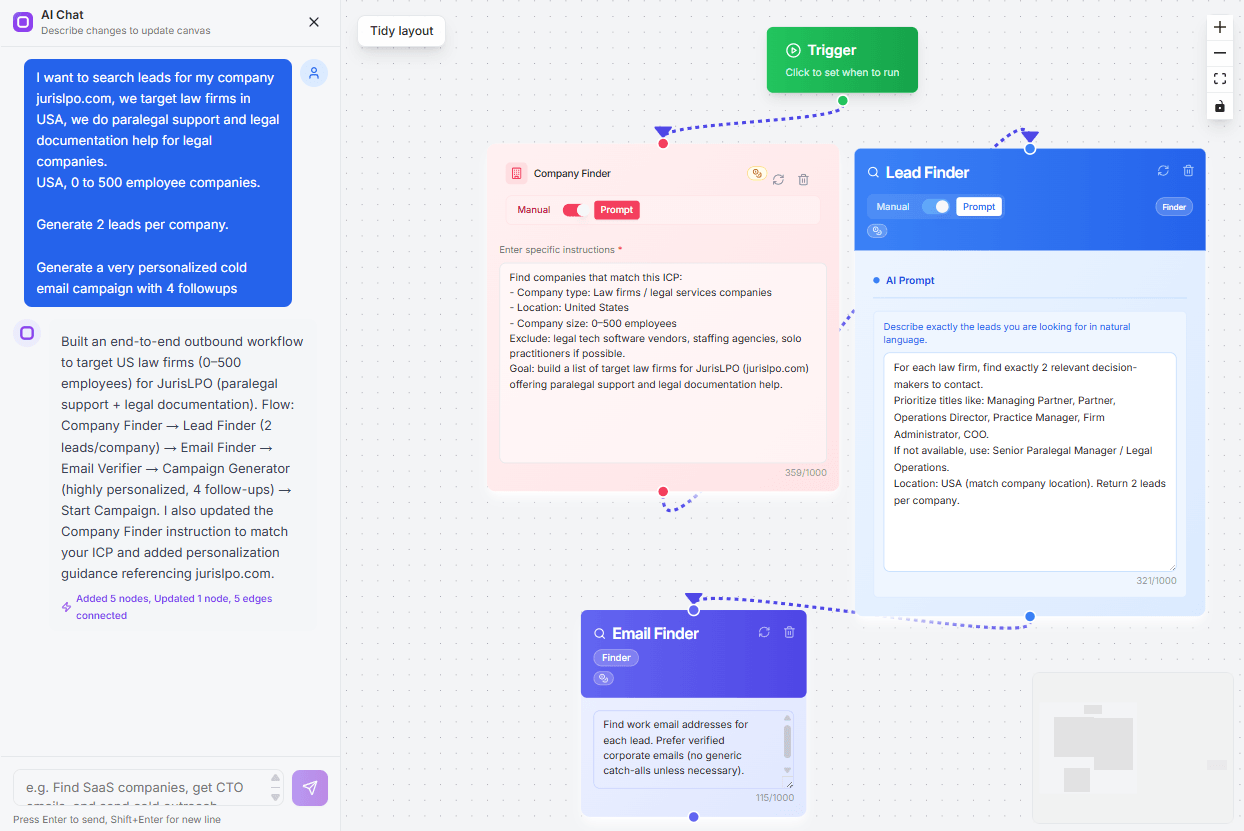
This is where Oppora fits in. Rather than functioning solely as a contact database, it combines lead discovery, email verification, AI-powered personalization, automated replies, workflow automation, CRM syncing, and campaign management in one platform.
Its AI agents can automate the entire outbound process after you define your target audience, reducing the need to manage separate prospecting and outreach tools.
Choosing between Cognism and ZoomInfo comes down to your sales goals, target market, and budget.
If you prioritize GDPR compliance, verified mobile numbers, and strong European coverage, Cognism is often the better fit. ZoomInfo, on the other hand, offers a larger database, advanced intent signals, and broader revenue intelligence capabilities, making it a strong choice for larger sales teams and enterprises.
Ultimately, there is no clear winner in the Cognism vs ZoomInfo debate. The best option depends on your prospecting needs, geographic focus, and long-term growth strategy.
ZoomInfo provides extensive sales intelligence capabilities, but its pricing and feature set may be better suited for mid-market and enterprise organizations than early-stage companies.
Startups often favor Cognism because of its focus on data quality and ease of use, whereas ZoomInfo's feature-rich ecosystem may be more suitable for larger and more established sales teams.
Yes, both tools allow users to export contact and company data, though export limits and access may depend on the subscription plan.
Summarize with AI
Share